
Not sure if you need a foaming or gel face wash? We break down the key differences for Pakistani skin types, plus how to choose and use each cleanser...
Foaming face washes create a rich, airy lather and feel deeply cleansing, while gel face washes have a slick, jelly-like texture that spreads easily and often feels more hydrating. The real difference lies in their surfactant systems: foaming cleansers typically use stronger detergents that strip away oil and impurities thoroughly, whereas gel cleansers rely on gentler, water-soluble agents that dissolve dirt without over-tightening the skin. Choosing between them depends on your skin type, your climate, and how your skin reacts to the day’s buildup of sweat, pollution, and sunscreen.
What Your Skin Actually Needs from a Face Wash
Before you pick a foaming or gel formula, it helps to understand what a face wash is supposed to do. Your skin has a natural protective barrier called the acid mantle, a slightly acidic film made of sebum and sweat that keeps moisture in and bacteria out. A good face wash clears away the day’s grime—excess oil, leftover makeup, pollution particles, and dead skin cells—without stripping that mantle completely. If it leaves your face feeling squeaky clean and taut, it has likely overdone it, which can trigger your skin to produce even more oil to compensate. If it leaves a greasy film, it may not be removing enough buildup, leading to clogged pores and dull-looking skin.
In Pakistan, where humidity in summer and dry winter air both pose challenges, the ideal cleanser is one that balances thorough cleansing with skin comfort. Foaming washes often feel invigorating and light, making them popular for oily skin types in Karachi’s humidity or Lahore’s dusty afternoons. Gel washes, on the other hand, are usually more flexible—they clean without that tight sensation and are often preferred by those with combination or sensitive skin. Think of your cleanser as the first step in prepping your skin for the rest of your routine; if it leaves you feeling raw, any serum or moisturizer you apply afterward has to work harder to restore balance.
You should also pay attention to how your skin feels within five minutes of washing. Dermatologists often suggest the “post-cleansing test”: after patting your face dry, wait without applying anything. If your skin feels comfortable and normal, your cleanser is a match. If it feels tight, itchy, or looks flaky, the wash is too harsh. If it feels shiny and slick, it may not be cleansing deeply enough. This simple check works regardless of whether you’re using a foaming or gel product, and it gives you real feedback to guide your choice.
Foaming Face Wash: Benefits, Best Skin Types, and When to Use It
Foaming face washes are formulated with surfactants that trap oil and dirt in bubbles, allowing them to be rinsed away easily. They often contain ingredients like sodium lauryl sulfate (SLS) or gentler alternatives like cocamidopropyl betaine, which create that satisfying lather. The main advantage of a foaming cleanser is its ability to cut through heavy oil, sunscreen, and pollution residue, leaving the skin feeling fresh and thoroughly clean. For people with oily or acne-prone skin, this deep-cleaning action can help control excess sebum and reduce the appearance of clogged pores over time.
However, foam isn’t automatically better. The same strength that makes it effective for oily T-zones can be problematic for dry or easily irritated skin. Many foaming formulas have a higher pH, which can disrupt your acid mantle and lead to dehydration if used too frequently. If you live in a city like Islamabad where winters are dry, washing twice a day with a strong foaming face wash might leave your skin feeling tight and flaky. That’s why it’s essential to choose a foam that uses milder surfactants and perhaps includes hydrating agents like glycerin or aloe vera.
A good option to consider is the Whitening Face Wash – Brightening & Deep Cleansing, which combines a foaming lather with brightening botanical extracts. It’s designed to remove impurities while supporting a more even skin tone, making it a practical pick for those who want deep cleaning without excessive dryness. Use it in the evening to wash off the day’s buildup, or during humid summer months when your skin produces more oil.

For best results, use a foaming face wash once a day, preferably at night, unless your skin is very oily. If you exercise or sweat heavily, you can also use it after your workout to refresh your face. Always warm up the cleanser in your palms before applying—this helps the foam distribute evenly and reduces friction on your skin. Massage gently for about 30 seconds, then rinse with lukewarm water. Never use hot water, as it strips natural oils, and avoid scrubbing with a washcloth, which can cause micro-tears.
Gel Face Wash: Benefits, Best Skin Types, and When to Use It
Gel face washes have a transparent, jelly-like consistency that turns into a light foam when mixed with water. They typically contain surfactants that are less aggressive than those in foaming formulas, such as sodium cocoyl glutamate or decyl glucoside, along with humectants like glycerin or hyaluronic acid. This makes gel cleansers excellent for maintaining moisture balance while still effectively removing daily dirt and leftover skincare products. Their refreshing feel also makes them a favorite for morning routines or for people with normal to combination skin.
Gel washes are particularly good for those who experience tightness after washing, even if they have oily patches. Because they cleanse without stripping, they help preserve the skin’s natural barrier, which is crucial for preventing sensitivity and premature signs of aging. In Pakistan’s climate, where alternating between humid and dry seasons can stress the skin, a gel cleanser offers a middle-ground option that works year-round. If you wear light makeup or only a tinted moisturizer, a gel wash can easily remove it without needing a separate makeup remover.
For acne-prone skin, a gel formulation with targeted ingredients can be very effective. The Anti Acne Facewash for Pimples & Oil Control – Deep Cleansing Formula is a gel-based cleanser that includes salicylic acid and tea tree oil to help clear blemishes and control excess oil. Its non-drying gel texture makes it suitable for daily use, even for those who are new to acne treatments. Always patch test first, especially if you have sensitive skin, and start by using it once a day to see how your skin responds.
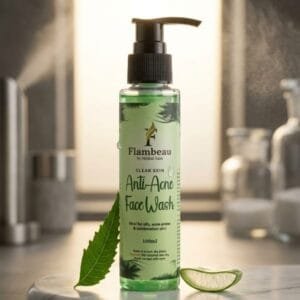
To get the most out of a gel face wash, use it in the morning to gently remove overnight oil and sweat. Wet your face, pump a small amount into your palm, and massage in circular motions for about 20 seconds. Rinse thoroughly with cool water to help close pores and refresh your skin. You can also use a gel cleanser as a short-contact treatment for acne—leave it on for one to two minutes before rinsing to allow active ingredients to work, but don’t exceed that time to avoid irritation.
Foaming vs Gel: Side-by-Side Comparison for Pakistani Skin
When you put foaming and gel face washes side by side, the differences come down to texture, cleaning power, and skin feel. Foaming washes produce a dense, bubbly lather that feels like a deep clean. They’re excellent for removing heavy oil and waterproof sunscreen, but they can leave dry or sensitive skin feeling stretched. Gel washes have a smoother, more lubricating texture that glides over the skin. They provide a moderate clean that’s less likely to disturb your moisture barrier, making them a safer bet for daily use in varying weather.
In terms of ingredients, foaming formulas often rely on sulfate-based surfactants to create that rich foam, though many modern products now use gentler options. Gel formulas typically incorporate more humectants and soothing agents, which is why they often feel more comfortable. If you have acne, look for gel washes with salicylic acid or benzoyl peroxide, as these ingredients are more stable in a gel base. For brightening goals, both can include vitamin C or niacinamide, but a gel might be better if you also have redness or inflammation.
Skin type is the biggest deciding factor. Oily skin that feels greasy within an hour of washing will likely prefer a foaming cleanser, especially during humid months. Dry or sensitive skin should lean toward a gel formula that cleans without stripping. Combination skin can even use both: a foaming wash at night to remove the day’s residue and a gel wash in the morning to gently refresh. This two-step approach is common in skincare routines because it adapts to your skin’s changing needs throughout the day.
It’s also worth considering your environment. In cities like Lahore or Faisalabad, where air pollution is high, a deeper cleansing foam in the evening can effectively remove particulate matter that settles on your face. In cooler, drier areas like Murree or during winter, a gel cleanser will help maintain moisture and prevent flakiness. Listen to your skin—if it feels tight after washing, switch to a milder gel; if it feels congested, a thorough foam might be what you need.
Common Mistakes to Avoid When Using Foaming or Gel Cleansers
One of the most common mistakes is using too much product. A pea-sized amount is usually enough for both foaming and gel washes, but many people pump out a large dollop, which leads to excessive foaming and over-drying. More foam doesn’t mean cleaner skin; it just means more surfactant contact, which can strip your barrier. Always start with a small amount and add more only if needed.
Skipping the patch test is another major error. Even if a face wash is labeled “gentle,” your skin might react to a specific ingredient. To patch test, apply a small amount behind your ear or on your jawline and wait 24 hours. If you notice redness, itching, or breakouts, that product isn’t for you. This is especially important when trying new acne or brightening cleansers that contain active ingredients.
Using water that’s too hot is a frequent issue in winters. Hot water strips your skin’s natural oils and can cause redness and irritation. Always rinse with lukewarm or cool water to preserve your acid mantle. Similarly, washing your face more than twice a day can disrupt your skin’s balance. Unless you’re very sweaty or oily, stick to morning and evening cleanses.
Another mistake is expecting a face wash to cure acne or instantly brighten skin. Cleansers are not treatment products—they only stay on your skin for a minute. While a good face wash can support your skin health, it won’t replace serums or moisturizers. For persistent acne or dullness, you need a full routine. If you’re dealing with pollution-induced dullness, consider adding a vitamin C serum after cleansing—you can learn more in this guide to best serums for pollution dullness.
How to Choose the Right Face Wash for Your Skin Type
For Oily Skin
If your face gets shiny within a couple of hours of washing, you likely have oily skin. Choose a foaming face wash that contains salicylic acid or tea tree oil to help control excess oil. Use it in the evening to remove the day’s buildup, and don’t skip moisturizer—oil-prone skin still needs hydration to avoid rebound oiliness. A lighter gel cleanser can be used in the morning if your skin feels less oily overnight.
For Dry Skin
Dry skin needs a cleanser that doesn’t strip away what little oil it has. Gel face washes are usually a better fit because they clean gently while leaving a moisturizing feel. Look for ingredients like glycerin, hyaluronic acid, or ceramides. Avoid foaming cleansers with sulfates, as they can worsen tightness and flakiness. Wash with lukewarm water and pat your face dry instead of rubbing.
For Combination Skin
Combination skin—oily T-zone and dry cheeks—requires a balanced approach. A gel cleanser is often ideal because it cleans the oily areas without overdrying the dry ones. If you prefer a foaming wash, choose one that’s labeled “gentle” or “hydrating” and avoid over-washing your cheeks. You can also use a foam only on your T-zone if you feel that area needs extra care.
For Sensitive Skin
Sensitive skin reacts easily to harsh surfactants, fragrances, and essential oils. Opt for a gel cleanser with minimal ingredients, preferably fragrance-free. Avoid foaming washes that contain sodium lauryl sulfate or artificial colors. Always patch test and introduce new products gradually. If you experience a reaction, stop using the product immediately and stick to plain water until your skin calms down.
For Acne-Prone Skin
Acne-prone skin benefits from cleansers with active ingredients like salicylic acid, benzoyl peroxide, or tea tree oil. Both foaming and gel formulations can work, but gels often cause less irritation. The Anti Acne Facewash is a great example. Use it once daily and gradually increase to twice if tolerated. Remember that over-cleansing can make acne worse, so keep your routine simple.
Building the Perfect Cleansing Routine with Foaming or Gel
Your cleansing routine should adapt to your skin’s needs at different times of the day and year. In the morning, a gentle gel cleanser can remove overnight oil and prep your skin for daytime products. In the evening, a foaming cleanser can thoroughly remove makeup, sunscreen, and pollution. If you wear heavy makeup, consider doing a double cleanse—first with an oil-based balm or micellar water, then with your foaming or gel wash.
After cleansing, apply your toner, serum, and moisturizer while your skin is still slightly damp. This helps lock in hydration. Always follow with sunscreen during the day, even if your face wash has SPF—cleansers don’t provide lasting protection. If you’re using a brightening cleanser like the one mentioned earlier, give it at least four weeks of consistent use to see visible results in skin tone.
For those who want to simplify, you can use the same cleanser morning and night as long as it suits your skin. But if you have combination skin, alternating between a gel in the morning and a foam at night can be very effective. Listen to your skin and adjust based on how it feels. If you experience breakouts after introducing a new cleanser, it might be purging—if it lasts longer than six weeks, discontinue use.
Remember that your skin changes with seasons, stress, and age. What works in summer might not work in winter. Keep a gentle gel cleanser as a backup for when your skin feels sensitive. And if you’re ever in doubt, consult a dermatologist. They can recommend specific products based on your unique skin profile.
Frequently Asked Questions
We’ve covered a lot, so let’s address some common questions. First, can you use a foaming face wash if you have dry skin? It’s possible if the formula is gentle enough, but you should be cautious. Look for “hydrating” or “cream” foams that don’t contain sulfates. Second, how long should you leave a face wash on your skin? Most cleansers need only about 30 seconds of massage. Leave-on masks can stay longer, but not cleansers. Third, do gel face washes remove sunscreen? Yes, most gel cleansers can remove light sunscreens, but waterproof formulas might need a cleansing oil first. Fourth, can you use both foaming and gel face washes in one routine? Absolutely—many people use a gel in the morning and a foam at night. Just observe how your skin responds.
Frequently Asked Questions
Can I use a foaming face wash if I have dry skin?
Yes, but choose a gentle, hydrating foam without sulfates. Look for labels like 'cream foam' or 'gentle cleanser.' Always follow with a moisturizer to prevent tightness.
How long should I leave a gel face wash on my skin?
Massage it in for about 20–30 seconds, then rinse. If it contains active ingredients like salicylic acid, you can leave it for up to 2 minutes as a short-contact treatment, but not longer.
Can gel face washes remove sunscreen and makeup?
Most gel cleansers can remove light makeup and non-waterproof sunscreen. For heavy or waterproof products, use an oil-based cleanser or micellar water first, then follow with your gel wash.
Is it okay to use both foaming and gel face washes in one routine?
Yes, many people use a gel in the morning to refresh and a foam at night to deep clean. Listen to your skin—if it feels tight, switch to a gentler option.
Written by Flambeau by Mishal Zain — sharing practical, affordable beauty and skincare tips.
Updated: September 2026