Compare cold-pressed vs refined oils for skin & hair: nutrient retention, absorption, and best uses. Learn which suits your routine and where to buy in...
Cold-pressed oils are generally better for skin and hair because they retain more natural vitamins, antioxidants, and fatty acids, which nourish and protect. Refined oils, processed with heat and chemicals, lose many beneficial compounds and may contain residues that can irritate sensitive skin. For daily moisturizing, hair conditioning, or treating concerns like dryness and dullness, choose cold-pressed options for their purity and effectiveness. However, refined oils have a place in high-heat cooking and some lightweight formulations, so understanding the difference helps you make the best choice for your beauty routine.
What Does Cold-Pressed vs. Refined Actually Mean?
To understand which is better, you first need to know how each oil is made. Cold-pressed oil is extracted by crushing seeds, nuts, or fruits and pressing them without external heat. The temperature stays below 120°F (about 49°C), which preserves the oil’s natural nutrients like vitamin E, polyphenols, and essential fatty acids. This method is often called “first press” or “extra virgin,” and it retains the true aroma and flavor of the source. Because no chemicals are used, the oil remains as close to nature as possible, making it ideal for skincare and haircare.
In contrast, refined oil undergoes a multi-step process that often involves high heat, bleaching, and deodorizing. The goal is to remove impurities, extend shelf life, and produce a neutral taste and clear appearance. However, these processes strip away many of the beneficial components. For example, refining can reduce vitamin E content by up to 70% and destroy delicate antioxidants. Additionally, some refining methods use hexane, a chemical solvent, which may leave trace residues. While refined oils are more stable for frying and have a longer shelf life, they offer far fewer benefits when applied to your skin or hair.
Think of cold-pressed oil as fresh juice and refined oil as a long-life packaged drink. Fresh juice has live enzymes, vitamins, and a vibrant taste, while the packaged version has been pasteurized and processed, losing much of its nutritional value. Similarly, your skin and hair absorb the nutrients in oils, so starting with a nutrient-dense oil makes a significant difference.
Another key difference is the presence of phytosterols and tocopherols, which are natural compounds that help repair the skin barrier and reduce inflammation. Cold-pressed oils like coconut, olive, and jojoba are rich in these. Refined versions often have them removed or degraded. For example, refined sunflower oil loses most of its lecithin, which is a natural emollient. So, if you’re using an oil for its therapeutic benefits, cold-pressed is the clear winner.
However, it’s worth noting that not all cold-pressed oils are suitable for every skin type. Some are comedogenic (pore-clogging), like coconut oil, while others are lighter, like jojoba. The extraction method is just one factor; the oil’s composition matters too. But in terms of purity and potency, cold-pressed oils give you the full spectrum of what nature intended.
In summary, when you see “cold-pressed” on a label, you know the oil hasn’t been subjected to harsh processing, so it’s more like a living ingredient. Refined oils are more processed, but they also have their uses, especially in cooking. For skin and hair, prioritize cold-pressed for maximum benefit.
Key Differences: Nutrient Retention, Absorption, and Shelf Life
One of the most significant differences between cold-pressed and refined oils is their nutritional profile. Cold-pressed oils retain naturally occurring vitamins, minerals, and antioxidants that are beneficial for skin health. For instance, cold-pressed olive oil contains high levels of vitamin E and polyphenols, which help fight oxidative stress and keep skin supple. Refined olive oil, on the other hand, may lose up to 80% of these antioxidants during processing. This means that using cold-pressed oil on your face can provide more anti-aging benefits, such as reducing fine lines and improving elasticity.
Absorption rate is another critical factor. Cold-pressed oils are often more easily absorbed by the skin because their molecular structure remains intact. They contain fatty acids in their natural triglyceride form, which blends well with the skin’s own lipids. This helps to strengthen the moisture barrier and lock in hydration. Refined oils can be heavier or leave a greasy residue because they may contain altered fatty acids or added synthetic compounds. For people with dry or mature skin, cold-pressed oils like argan or rosehip are excellent choices as they seep in quickly without clogging pores.
Shelf life is where refined oils have an advantage. Because they are stripped of natural impurities and antioxidants, refined oils have a longer shelf life and are more stable at high temperatures. Cold-pressed oils are more perishable; they can turn rancid if exposed to light or heat for too long. However, rancidity is not just about smell—it also means the oil has oxidized, creating free radicals that can harm your skin. So, while cold-pressed oils are richer in nutrients, they require proper storage in a cool, dark place and should be used within a few months of opening. Many beauty enthusiasts prefer to buy small bottles to ensure freshness.
Another difference is the presence of phytoceramides in cold-pressed oils, which are crucial for maintaining a healthy skin barrier. Refined oils often lack these because they are removed during deodorization. A compromised skin barrier leads to dryness, irritation, and sensitivity. Using cold-pressed oils can help restore that barrier, reducing transepidermal water loss and keeping your skin calm and hydrated.
When it comes to hair, cold-pressed oils are better at penetrating the hair shaft because they contain smaller fatty acid chains, especially in coconut oil. Studies show that cold-pressed coconut oil can reduce protein loss in hair, preventing damage from washing and styling. Refined coconut oil, which has been processed, may not have the same effect because the heat alters its structure. For a deep conditioning treatment, cold-pressed oil is far more effective.
In terms of cost, cold-pressed oils are generally more expensive due to lower yields and higher production costs. But for skin and hair, you use only a few drops at a time, so a bottle lasts long. The investment is worth it when you consider the concentrated benefits. In Pakistan, you can find good quality cold-pressed oils from local brands like Flambeau by Mishal Zain’s oils and serums that offer purity without breaking the bank.
Which Oil Is Better for Different Skin Types and Concerns?
Dry and Dehydrated Skin
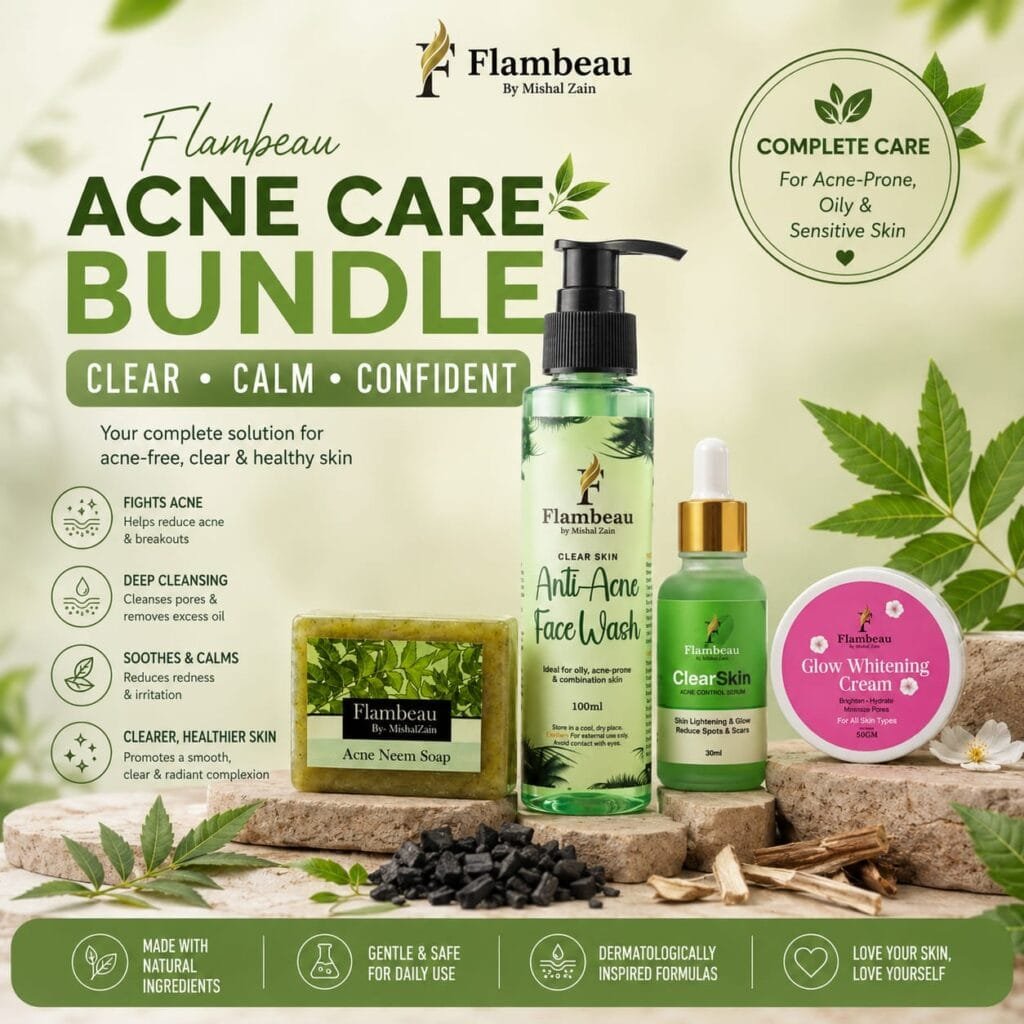
If you have dry or flaky skin, you need oils that are rich in oleic acid and ceramides. Cold-pressed olive oil is a classic choice because it deeply moisturizes and helps repair the skin barrier. It contains squalene, which is naturally found in human sebum, making it highly compatible. For a lighter option, cold-pressed argan oil is excellent—it’s non-comedogenic and rich in vitamin E, which nourishes parched skin. Refined oils, in comparison, may sit on the surface and not provide lasting hydration. You might also want to try a blend like the Acne Care Bundle – All in One if you also have blemishes, as it balances oil and moisture.
Oily and Acne-Prone Skin
Contrary to popular belief, oily skin needs oil too—but the right kind. Cold-pressed jojoba oil is a wonderful choice because it closely mimics sebum and signals your skin to produce less oil. It’s non-comedogenic and helps dissolve excess sebum. Grapeseed oil, another cold-pressed option, is lightweight and rich in linoleic acid, which can help reduce inflammation and prevent breakouts. Refined oils might aggravate acne because they can contain synthetic additives that clog pores. If you struggle with acne, look for cold-pressed oils labeled “non-comedogenic” and always patch test. Incorporating a gentle oil-based cleanser with cold-pressed oils can actually improve your skin’s balance over time.
Sensitive and Reactive Skin
For sensitive skin, purity is paramount. Cold-pressed sweet almond oil is gentle and soothing, perfect for calming irritation and redness. It contains vitamin A and E, which help repair the skin. Chamomile-infused cold-pressed oils are also great for reducing inflammation. Refined oils may contain trace chemicals from the extraction process that can trigger reactions, so cold-pressed is the safer bet. Always choose oils with minimal ingredients and avoid fragrances. If your skin is prone to eczema or rosacea, cold-pressed oils help strengthen the barrier without irritation.
Combination and Normal Skin
If your skin is neither too oily nor too dry, a cold-pressed oil like rosehip or sunflower oil works well. They are balanced and provide essential fatty acids without heaviness. Sunflower oil is rich in vitamin E and is very light, while rosehip oil is famous for its ability to fade scars and even out skin tone. For a daily moisturizer, you can mix a few drops of cold-pressed oil with your regular lotion. Refined oils might not offer the same skin-loving benefits, so sticking with cold-pressed is ideal.
By Skin Concern
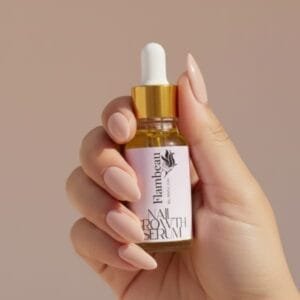
For anti-aging, cold-pressed pomegranate or sea buckthorn oil are powerful due to their high antioxidant content. They stimulate collagen production and protect skin from free radicals. For hyperpigmentation, cold-pressed carrot seed oil is known to help lighten dark spots over time. For hair, cold-pressed coconut oil is unmatched for preventing protein loss, while almond oil is excellent for promoting hair growth and softness. For nails, cold-pressed oils like olive or jojoba can strengthen brittle nails, and you can combine them with a dedicated product like the Nail Growth Serum – Helps Nails Grow Stronger, Healthier for best results.
How to Incorporate Cold-Pressed Oils into Your Routine
Now that you know cold-pressed oils are superior, how do you actually use them? Start with a simple oil cleanse: massage a few drops of cold-pressed jojoba or almond oil onto dry skin to dissolve makeup and sunscreen, then rinse with a gentle cleanser. This method, known as the “oil cleansing method,” leaves skin balanced and hydrated. For a moisturizer, apply 2-3 drops of rosehip or argan oil onto damp skin after cleansing to lock in water. For hair, warm a small amount of cold-pressed coconut oil and massage into your scalp and lengths. Leave it on for at least 30 minutes or overnight, then shampoo. This deeply nourishes and reduces frizz.
You can also add cold-pressed oils to your existing products. Mix a drop of oil into your daily moisturizer or apply oil over your makeup for a dewy finish. For a weekly treatment, create a face mask by blending cold-pressed honey and oil with a pinch of turmeric. This is a traditional Pakistani beauty secret that brightens skin. For hair, combine cold-pressed oil with your regular conditioner as a leave-in treatment. The key is to use oils consistently but in moderation—over-application can lead to buildup.
When purchasing cold-pressed oils, read labels carefully. Look for terms like “unrefined,” “extra virgin,” or “first press.” Check the ingredient list to ensure it contains 100% oil with no added perfumes or preservatives. In Pakistan, you can find cold-pressed oils at health food stores or online from trusted brands. Flambeau by Mishal Zain’s blog offers more tips on natural beauty routines. Always store your oils in a dark glass bottle away from sunlight to prevent oxidation.
If you have specific skin complaints, tailor your oil choice. For acne, use cold-pressed grapeseed oil as a carrier for tea tree essential oil. For dry patches, apply a thick layer of cold-pressed shea butter or coconut oil before bed. For dandruff, massage cold-pressed neem oil into the scalp weekly. The versatility of cold-pressed oils makes them a staple in any beauty cabinet.
Remember that natural oils can take time to show results. Give your skin at least two weeks to adjust. Also, note that some oils are phototoxic (like citrus oils), so avoid sun exposure after use. With regular use, you’ll notice softer, more radiant skin and healthier hair.
Common Mistakes to Avoid with Oils
One common mistake is using the same oil for both skin and hair without considering your skin type. For instance, coconut oil is excellent for hair but can clog pores on the face if you’re acne-prone. Always choose an oil that matches your skin’s needs. Another error is applying oil to dirty skin—oils trap dirt and can cause breakouts. Always cleanse first. Also, avoid using too much oil; a little goes a long way. Start with one drop for the face and add more if needed.
Many people assume that refined oils are interchangeable with cold-pressed, but they aren’t. Using refined oil on your skin is like applying a processed food product—you miss out on essential nutrients. If you only have refined oil in your kitchen, don’t use it on your face. Invest in a separate cold-pressed oil for beauty purposes. Another mistake is not patch testing new oils, especially if you have sensitive skin. Perform a patch test on your inner wrist or behind your ear for 24 hours before using a new oil on your face.
Storing oils incorrectly is also a problem. Exposing them to heat and light can cause them to go rancid quickly. Rancid oils are harmful because they generate free radicals that accelerate aging. Keep your oils in a cool, dark cabinet or the refrigerator if the climate is hot. Also, don’t buy huge bottles unless you know you’ll use them within six months. Freshness is key.
Finally, some people expect instant results. Natural oils work gradually to improve your skin barrier and hair health. Consistency matters more than quantity. Use your chosen oil daily as part of your routine, and you’ll see improvements in texture and glow after a few weeks. If you’re using oils to treat a condition like acne or eczema, give it at least a month. If you don’t see any change, consult a dermatologist.
By avoiding these pitfalls, you’ll get the most out of your cold-pressed oils. Remember to check expiration dates and trust your senses—if the oil smells off, it’s time to replace it.
Choosing the Right Product: Labels, Quality, and Price in Pakistan
In Pakistan, the market is flooded with oils claiming to be cold-pressed, but not all are genuine. Look for certifications like “Organic” or “100% Pure.” Check the color and aroma—cold-pressed oils often have a distinct smell and are more opaque. For example, cold-pressed coconut oil smells like coconut, while refined has no scent. Price is an indicator too: cold-pressed oils are usually more expensive because extraction yields less. If a bottle is extremely cheap, it’s likely refined or diluted.
When shopping for beauty oils, consider the brand’s reputation. Flambeau by Mishal Zain’s oils and serums are known for their purity and effectiveness, offering a range of cold-pressed options tailored to local needs. They also provide bundles like the Acne Care Bundle that combine several oils for targeted results. These products are affordable and designed for Pakistani climates.
Prices for cold-pressed oils in Pakistan vary. A small bottle (30ml) of cold-pressed argan oil can cost anywhere from Rs. 1,500 to Rs. 3,000, while a larger bottle (100ml) of coconut oil might be between Rs. 800 and Rs. 1,500. Refined oils are cheaper, but you sacrifice quality. If you’re on a budget, start with a versatile oil like jojoba or sweet almond, which you can use on both skin and hair. You don’t need to buy every oil—just one or two that suit your needs.
When reading labels, avoid oils with added ingredients like fragrance, silicone, or mineral oil. These are often present in refined blends and can irritate your skin. A true cold-pressed oil should have only one ingredient: the oil itself. Also, check the extraction method—look for “expeller-pressed” or “cold-pressed” on the front label. If it says “refined” or “bleached,” put it back.
For those with specific concerns like acne or brittle nails, consider specialized products. The Nail Growth Serum is formulated with cold-pressed oils and vitamins to strengthen nails. Similarly, the Acne Care Bundle includes cold-pressed oils that soothe breakouts without clogging pores. These products are perfect for anyone looking to harness the power of cold-pressed oils without the guesswork.
In conclusion, cold-pressed oils are a worthwhile investment for your skin and hair. They offer superior nourishment and absorption compared to refined oils, and with careful selection, you can find high-quality options in Pakistan at reasonable prices. Always prioritize purity and freshness for the best results.
Frequently Asked Questions
Can refined oils be used for skincare at all?
Refined oils are less ideal because they lose nutrients and may contain processing residues. However, they can be used as a sealant over a moisturizer, but cold-pressed is better for most skin benefits.
How can I tell if an oil is truly cold-pressed?
Look for labels saying 'cold-pressed' or 'unrefined', check the color and smell (should be natural), and buy from reputable brands. If the price is too low, it might be refined.
Which cold-pressed oil is best for oily skin?
Jojoba and grapeseed oils are lightweight and non-comedogenic, making them great for oily skin. They help balance sebum without clogging pores.
Do cold-pressed oils expire faster?
Yes, because they lack preservatives. Store them in a cool, dark place and use within 6 months to a year. If they smell rancid, discard them.
Written by Flambeau by Mishal Zain — sharing practical, affordable beauty and skincare tips.
Updated: September 2026