Discover why turmeric soap is a favorite for brightening skin tone. Learn its benefits, how to use it, and what to look for in quality turmeric soaps.
Turmeric soap has become a staple in skincare routines for its ability to enhance skin’s natural glow. Its popularity stems from curcumin, a compound that supports a more even skin tone and a radiant complexion. As a gentle, time-tested ingredient, turmeric soap offers a natural approach to brightening without harsh chemicals, making it a beloved choice for those seeking healthier-looking skin.
What Makes Turmeric Soap Effective for Brightening?
Turmeric, a golden spice used for centuries in South Asian beauty rituals, contains curcumin, a powerful antioxidant. When applied topically via soap, curcumin helps combat dullness caused by environmental stressors. It works by supporting the skin’s natural renewal process, gently exfoliating dead skin cells to reveal fresher, more luminous skin underneath. This gradual brightening effect is why many people incorporate turmeric soap into their daily routine.
The science behind turmeric’s brightening potential lies in its ability to inhibit excess melanin production in certain conditions. While not a bleaching agent, turmeric can help fade the appearance of dark spots and hyperpigmentation over time. Consistent use of turmeric soap can lead to a more uniform skin tone, especially on areas like elbows, knees, and underarms that tend to darken. This makes it a practical choice for those targeting uneven skin tone without resorting to aggressive treatments.
Moreover, turmeric’s anti-inflammatory properties soothe irritated skin, reducing redness that can make skin look blotchy. By calming inflammation, turmeric soap indirectly contributes to a clearer, more even complexion. For individuals with acne-prone skin, this soothing effect is particularly beneficial, as it helps minimize post-acne marks and promotes a smoother appearance.
Another aspect of turmeric soap’s popularity is its compatibility with various skin types. Whether you have dry, oily, or combination skin, turmeric soap typically offers a balanced cleanse without stripping natural oils. This versatility, combined with its brightening potential, makes it a universal favorite in many households, especially in Pakistan where turmeric has deep cultural roots in skincare.
It’s important to note that turmeric soap is not a quick fix. Brightening results are gradual, often taking several weeks of consistent use to become noticeable. However, the gentle nature of turmeric means fewer side effects compared to stronger chemical exfoliants, making it a sustainable long-term option for maintaining a healthy glow.
When choosing a turmeric soap, quality matters. Look for soaps that list turmeric or curcumin as a key ingredient, and avoid those with excessive synthetic additives. A well-formulated turmeric soap, like the Goat Milk Soap from Flambeau by Mishal Zain, combines the benefits of turmeric with nourishing goat milk, offering a gentle yet effective brightening experience.
How to Use Turmeric Soap for Best Results
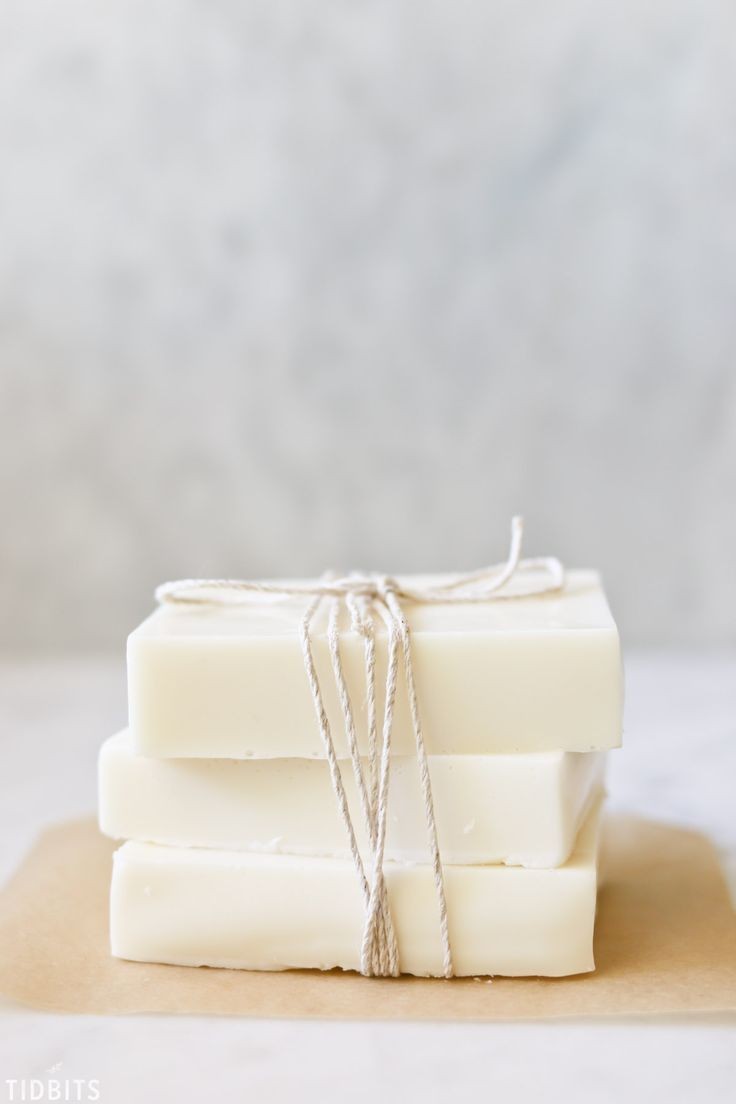
To maximize the brightening benefits of turmeric soap, start by wetting your skin with lukewarm water. Rub the soap between your hands or directly onto a soft washcloth to create a rich lather. Gently massage the lather onto your face and body in circular motions for about 30 seconds, allowing the turmeric to work on the skin’s surface. Avoid scrubbing too hard, as this can irritate the skin and hinder the brightening process.
For facial use, it’s crucial to be gentle around the delicate eye area. Turmeric soap can be used daily, but if you have sensitive skin, start with every other day to gauge your skin’s reaction. After washing, rinse thoroughly with cool water to remove all residue, then pat your skin dry with a clean towel. Follow up with a moisturizer to lock in hydration, as turmeric can be slightly drying for some skin types.
Incorporate turmeric soap into your evening routine to allow the active ingredients to work while you sleep. Over time, you may notice a more even skin tone and a natural radiance. For best results, pair turmeric soap with a consistent skincare routine that includes sunscreen during the day, as sun exposure can counteract brightening effects.
For body use, focus on areas prone to darkening, such as underarms, inner thighs, and knees. Massage the lather into these areas for a minute or two before rinsing. Regular use can help fade dark patches and improve overall skin texture. Many users find that turmeric soap helps reduce body odor as well, thanks to its antibacterial properties.
If you’re new to turmeric soap, always patch test first by applying a small amount of lather to your inner arm and waiting 24 hours to check for any adverse reactions. While turmeric is generally safe, some individuals may be allergic or sensitive to it. This precaution ensures a positive experience and prevents potential irritation.
Consistency is key when using turmeric soap. Unlike chemical treatments that may show immediate effects, turmeric works gradually. Aim to use the soap for at least four to six weeks to see meaningful changes in skin brightness. Remember, healthy skin is a journey, not a destination.
Common Mistakes to Avoid with Turmeric Soap
One of the most common mistakes is expecting overnight results. Turmeric soap is a gentle, natural product, and its brightening effects take time. Many users abandon their routine after a week without noticing changes, but patience is essential. Stick with it for a month or more before evaluating its effectiveness.
Another mistake is using turmeric soap on broken or irritated skin. While turmeric has healing properties, applying soap to open wounds or severe acne can cause stinging and further irritation. Wait until your skin has healed before using turmeric soap, and always consult a dermatologist if you have persistent skin issues.
Over-washing is another pitfall. Using turmeric soap more than twice a day can strip your skin of natural oils, leading to dryness and a compromised skin barrier. This can actually make your skin look dull, counteracting the brightening benefits. Stick to once or twice daily as part of a balanced routine.
Many people forget to moisturize after using turmeric soap. Even though turmeric soap is relatively gentle, it can still remove some moisture from the skin. Skipping moisturizer can leave your skin feeling tight and looking flaky, which is not conducive to a bright complexion. Always apply a suitable moisturizer immediately after patting your skin dry.
Additionally, avoid combining turmeric soap with harsh exfoliants or strong acids like glycolic acid or retinol. These ingredients can over-exfoliate the skin when used together, leading to redness and sensitivity. If you use such products, alternate them with turmeric soap on different days rather than stacking them.
Finally, do not rely solely on turmeric soap for sun protection. Turmeric does not provide SPF, and sun exposure can darken skin and undo your brightening efforts. Always apply sunscreen daily as the final step of your morning routine to protect your skin and maintain an even tone.
Choosing the Right Turmeric Soap: What to Look For
When selecting a turmeric soap, check the ingredient list for natural turmeric or curcumin extract as one of the first ingredients. Many commercial soaps use synthetic colorants to mimic turmeric’s yellow hue but contain little actual turmeric. Reading labels carefully ensures you get the real benefits.
Look for soaps that are free from harsh sulfates, parabens, and artificial fragrances, as these can irritate the skin and diminish turmeric’s positive effects. A simple formulation with natural oils like coconut, olive, or shea butter enhances the soap’s nourishing properties, making it suitable for daily use.
Consider your skin type when choosing a turmeric soap. For dry skin, a soap with added moisturizers like goat milk or glycerin is ideal. The Moroccan Nila Soap is another excellent option, blending turmeric with other natural ingredients for a luxurious cleanse that supports skin brightening.

If you have oily or acne-prone skin, look for turmeric soaps that include tea tree oil or neem, which can help control excess oil and reduce breakouts. These additions complement turmeric’s brightening effects, addressing multiple skin concerns simultaneously.
Another factor is the soap’s manufacturing process. Cold-process soaps retain more of the beneficial properties of turmeric compared to mass-produced soaps that undergo high heat. Artisanal or small-batch soaps often advertise their cold-process method, which is a sign of higher quality.
Price can also be an indicator, but not always. Some affordable turmeric soaps are excellent, while expensive ones may not contain enough turmeric. Read reviews and, if possible, sample different brands to find one that suits your skin and budget. Remember, the most expensive product isn’t always the best.
Turmeric Soap for Different Skin Types
For dry skin, turmeric soap can be a gentle brightening ally, but it’s crucial to choose a formula with emollients like goat milk or shea butter. These ingredients provide moisture while turmeric works on improving skin tone. Use the soap on alternate days and follow with a rich moisturizer to maintain hydration.
Oily skin benefits from turmeric’s antibacterial properties, which can help reduce acne-causing bacteria. A turmeric soap with a mild astringent like witch hazel can further control oil without over-drying. Use it daily, but avoid over-washing to prevent rebound oiliness.
Combination skin requires a balanced approach. Turmeric soap works well on both oily and dry areas, but you may need to adjust usage. Focus the lather on the T-zone (forehead, nose, chin) and be gentler on drier cheeks. Moisturizing after use is essential to keep the skin balanced.
Sensitive skin can benefit from turmeric’s anti-inflammatory properties, but it’s essential to choose a fragrance-free, hypoallergenic turmeric soap. Patch testing is particularly important for sensitive skin. If no irritation occurs, use the soap a few times a week, gradually increasing frequency as your skin builds tolerance.
Acne-prone skin may find turmeric soap helpful in reducing redness and promoting clearer skin. However, avoid using it on active, open breakouts. Instead, focus on surrounding areas to fade post-acne marks. Combining turmeric soap with a non-comedogenic moisturizer can prevent clogged pores.
For mature skin, turmeric’s antioxidant properties help combat free radical damage that accelerates aging. Regular use can impart a youthful glow and improve skin texture. Pair turmeric soap with an anti-aging serum for enhanced benefits, and always use sunscreen to protect against photoaging.
Incorporating Turmeric Soap into Your Skincare Routine
Start by replacing your regular cleanser with turmeric soap in your evening routine. This allows the active ingredients to work overnight, promoting skin renewal. In the morning, use a gentle cleanser to remove any residue, then apply your usual toner, serum, and moisturizer.
For a weekly treat, create a turmeric soap mask by lathering the soap and mixing the foam with a little honey or yogurt. Apply this mixture to your face and leave it on for 10 minutes before rinsing. This enhances the brightening and soothing effects, leaving your skin feeling soft and refreshed.
If you’re using other active ingredients like vitamin C or retinol, schedule them at different times of day. For example, use turmeric soap in the evening and your vitamin C serum in the morning. This prevents potential interactions and maximizes each product’s benefits.
Don’t forget your body. Turmeric soap can be used as a body wash to even out skin tone on your arms, legs, and back. This is especially helpful for those with sun-damaged skin or uneven pigmentation. Pay extra attention to areas like elbows and knees, which tend to be darker.
To maintain your brightening results, continue using turmeric soap as part of your long-term routine. Unlike harsh treatments, turmeric is gentle enough for daily use, making it a sustainable choice. However, listen to your skin—if you notice any dryness, reduce frequency or switch to a more moisturizing formula.
Remember that a healthy diet and lifestyle also contribute to skin brightness. Stay hydrated, eat antioxidant-rich foods, and get enough sleep to support your skincare efforts. Turmeric soap is a wonderful tool, but it works best in conjunction with overall wellness.
Frequently Asked Questions
How long does it take to see brightening results with turmeric soap?
Results vary, but most people notice a more even skin tone and subtle glow after 4-6 weeks of consistent use. Turmeric works gradually, so patience is key.
Can turmeric soap be used on sensitive skin?
Yes, turmeric's anti-inflammatory properties can soothe sensitive skin, but always patch test first and choose a fragrance-free formula. Start with a few times a week and adjust as needed.
Does turmeric soap actually lighten skin?
Turmeric soap helps brighten and even out skin tone by gently exfoliating and reducing the appearance of dark spots. It does not bleach skin and results are natural-looking.
Can I use turmeric soap on my face every day?
Most skin types can use turmeric soap daily, but if you have dry or sensitive skin, start with every other day to avoid over-drying. Always follow with moisturizer.
Written by Flambeau by Mishal Zain — sharing practical, affordable beauty and skincare tips.
Updated: September 2026