Compare sunscreen sticks and lotions for daily use. Learn which is more convenient for your skin type, routine, and Pakistan's climate. Find practical tips...
For daily sun protection, a sunscreen stick is generally more convenient than a lotion because it is quick to apply, portable, and mess-free, making it ideal for touch-ups and on-the-go use. However, a lotion offers easier coverage for larger areas and is better for those with dry skin. The best choice depends on your skin type, lifestyle, and how you plan to use it.
What to Consider: Your Skin, Your Routine, Your Environment
When choosing between a sunscreen stick and a lotion, the first thing to think about is your skin type. If you have oily or combination skin, a stick’s matte, often powder-like finish can be a blessing because it doesn’t add extra shine. Many sticks are formulated with ingredients like silica or dimethicone that help absorb excess oil, which is a huge plus in Pakistan’s humid summers. On the other hand, if your skin is dry or flaky, a lotion with humectants like glycerin or hyaluronic acid can provide much-needed moisture while protecting you from UV rays. A lotion also spreads more easily over dry patches, so you’re less likely to miss spots that a stick might drag over.
Your daily routine matters just as much as your skin type. Are you someone who gets ready in five minutes and runs out the door? Then a stick is your best friend because you can swipe it on in under ten seconds, no mirrors required. If you’re a makeup wearer, sticks are fantastic for reapplying over foundation without smudging your base—just glide it over your cheeks, nose, and forehead, and you’re protected. Lotions, in contrast, can disrupt makeup if you try to reapply them, causing pilling or streaks. But if you’re a minimal-makeup person or you’re applying sunscreen at home before you even start your beauty routine, a lotion gives you more control to cover every inch of your face and neck smoothly.
Think about your environment too. In Pakistan, we’re no strangers to intense sun, especially between 11 a.m. and 4 p.m. If you commute by bike or walk to work, a stick is easier to carry in your pocket or purse, so you can reapply at your desk without making a mess. Lotions in tubes can leak or get squeezed out in bags, and applying them in public restrooms can feel sticky and awkward. On the other hand, if you’re spending a day at the beach or by the pool, a lotion is better because you can cover your arms, legs, and back with a generous, even layer. Sticks would take forever and might leave you with uneven coverage over large areas, not to mention a waxy feel.
Finally, consider how often you reapply. Dermatologists recommend reapplying sunscreen every two hours, or immediately after swimming or sweating. A stick makes this so easy that you’re more likely to actually do it—you’ll never skip because you don’t have time or you’re afraid of messing up your makeup. Lotions require more effort: you need to measure the right amount (about a teaspoon for your face), rub it in thoroughly, and wait for it to absorb. If you’re a busy professional or a parent juggling kids, the convenience of a stick can be the difference between protected skin and forgetfulness.
Ultimately, there’s no one-size-fits-all answer. Many people find that using a lotion in the morning at home (for thorough coverage) and a stick for touch-ups during the day is the most practical combination. That way, you get the best of both worlds: the precision and ease of a stick when you’re out, and the comfortable, moisturizing feel of a lotion when you have time to apply properly.
Step-by-Step: How to Use a Sunscreen Stick vs a Lotion
Let’s walk through the actual application process for each, because convenience is about more than just opening the product. For a lotion, start with a clean, dry face. Squeeze out about a nickel-sized amount for your face, and dot it on your forehead, cheeks, nose, and chin. Then, using your fingertips, gently massage it in using upward, circular motions until it’s fully absorbed. Don’t forget your neck, ears, and the back of your hands—these are often neglected spots that still get sun damage. If you’re applying a chemical sunscreen, wait 15 minutes before stepping outside so the filters can bind to your skin. For a physical (mineral) sunscreen, it works immediately, but you still need to ensure even coverage.
For a stick, the process is even simpler. Glide the stick directly over your face in a criss-cross pattern: horizontal strokes across your forehead, vertical strokes on your cheeks, and a swipe across your nose and chin. Then use your fingers to gently pat or blend any visible lines, especially around your eyes and mouth where the stick might leave a thicker residue. The key is to apply two full passes to ensure you’re getting the labeled SPF—most people apply too little, and a single swipe gives you only a fraction of the protection. For your neck and ears, tilt your head and sweep the stick along the sides. The stick is perfect for targeted areas like the nose, which tends to burn first.
When it comes to reapplication, the stick truly shines. You don’t need to wash your face or remove makeup. Just swipe the stick over your face, and if you’re wearing makeup, use a pressing or patting motion to avoid disturbing it. For your body, a stick can be drawn directly onto arms and legs, but for large areas like your back, you’ll need to draw multiple lines and then rub them in with your hands, which is a bit less efficient. Lotions, on the other hand, require you to wash your hands before applying (unless you’re using a spray), and you have to be careful not to use too much, which can leave a white cast or sticky residue.
Another practical tip: always store your stick in a cool place. In Pakistan’s summer heat, a stick can soften and become too greasy if left in a car or a hot bag. If it does melt, just pop it in the fridge for a few minutes—it’ll firm up again without losing effectiveness. Lotions are more temperature-stable but can separate if exposed to extreme heat, so give them a good shake before use. And remember, regardless of the format, you need to use enough product: for the face, that’s about 1/4 teaspoon or two-finger lengths of lotion, or two full passes of a stick.
Finally, don’t forget your lips and eyelids if they’re exposed. You can use a lip balm with SPF, and for eyelids, a stick is gentle enough to use there—just close your eyes and lightly swipe. Lotions can sting if they get into your eyes, so a stick is safer for that delicate area. If you have sensitive eyes, consider a mineral stick with zinc oxide, which sits on the surface and reflects UV rays without absorbing.
Common Mistakes to Avoid with Sunscreen Sticks and Lotions
One of the biggest mistakes people make is not using enough sunscreen, regardless of the format. With a lotion, they might use a dime-sized amount instead of a nickel-sized, or they skip their neck and ears. With a stick, they do one quick swipe and think they’re covered. This is dangerous because you’re getting a fraction of the SPF labeled on the bottle. Always apply two layers or be generous when you apply—it’s better to use too much than too little.
Another common error is skipping reapplication. Even the most convenient stick won’t help if you apply it once in the morning and never again. Sunscreen wears off due to sweat, rubbing against clothes, and natural oil production. Set a reminder on your phone to reapply every two hours, especially if you’re outdoors. If you’re indoors all day by a window, you still need to reapply at least once in the afternoon because UVA rays can penetrate glass.
People also forget to check the expiration date. Sunscreen chemicals degrade over time, and an old product won’t offer the same protection. Most sunscreens are effective for up to three years, but if the texture or smell has changed, toss it. This applies to both sticks and lotions. Also, be wary of using makeup with SPF as your only protection—you’d need to apply seven times the normal amount of foundation to get the labeled SPF, so always use a dedicated sunscreen underneath.
For stick users specifically, a frequent mistake is not blending the product. Sticks can leave visible streaks or a waxy layer that pills when you touch it. After applying, use your fingers to gently pat and smooth the product into your skin, especially around hairline and brows. For lotion users, not waiting for it to dry before applying makeup is a common issue. If you put foundation on too soon, you’ll end up with a cakey, uneven finish. Give the lotion at least five minutes to settle.
Another mistake is ignoring your skin type when choosing a formula. If you have acne-prone skin, using a heavy, comedogenic lotion can clog pores and cause breakouts. Look for labels that say “non-comedogenic” or “oil-free.” Similarly, if you have sensitive skin, avoid sticks with fragrance or essential oils, as they can be irritating. Always patch test first on your inner arm before using a new sunscreen on your face.
Finally, don’t neglect your body. Many people only apply sunscreen to their face, but your neck, chest, hands, and arms are just as vulnerable to sun damage. If you’re using a stick, it might be tempting to skip your body because it takes longer, but try to use a lotion for your body and a stick for your face. That way, you get efficiency where it matters most.
Choosing the Right Sunscreen for Your Skin Type
When selecting a sunscreen, the first thing to look for is broad-spectrum protection, which shields you from both UVA and UVB rays. In Pakistan, we get intense UV radiation, so this is non-negotiable. You should also check the SPF—at least 30 is recommended for daily use, and 50+ for prolonged outdoor activities. But beyond SPF, consider the texture and ingredients to suit your skin.
For oily or acne-prone skin, a matte-finish stick is usually your best bet. Look for terms like “oil-free,” “non-comedogenic,” or “matte” on the label. Ingredients like niacinamide or zinc oxide can help control oil and calm breakouts. Avoid heavy lotions that sit on the skin and make you shine. A stick also minimizes the risk of clogging pores because you’re not rubbing in excess product. If you prefer a lotion, choose a gel-based or water-based formula that absorbs quickly without greasiness.
If you have dry or sensitive skin, a hydrating lotion is often more comfortable. Look for lotions with hyaluronic acid, glycerin, or ceramides, which help lock in moisture. Avoid sticks that contain alcohol, as they can dry out your skin further. Mineral sunscreens with zinc oxide or titanium dioxide are less likely to cause irritation, but they can leave a white cast—try tinted versions if that bothers you. If you have very sensitive skin, test the product on a small area first, and consider using a physical blocker that sits on the skin rather than absorbing.
For combination skin, you might need different approaches for different zones. A stick is great for your oily T-zone (forehead, nose, chin), while a lotion might work better on your dry cheeks. Or, you can use a lightweight lotion everywhere and carry a stick for touch-ups on your nose. The key is to find formulas that don’t break you out or dry you out, so read reviews and ingredients carefully.
In Pakistan’s humid weather, especially in cities like Karachi, a heavy, greasy sunscreen can feel unbearable. That’s why many people prefer sticks for their non-greasy finish. However, if you’re outdoors for long hours, you need something with high water resistance—check the label for “water-resistant” (effective for 40 or 80 minutes). Remember to reapply after swimming or heavy sweating, even with water-resistant formulas.
Lastly, consider the aesthetics: some sunscreens leave a white cast, which might be more noticeable on deeper skin tones. Newer formulations use micronized zinc or chemical filters to reduce this. If you’re using a stick, you can blend it well to minimize cast. If you’re using a lotion, look for “invisible finish” or “sheer” claims. And if you’re going to be photographed, a sunscreen with a dewy finish might look better in pictures than a matte one—it’s all about preference.
Budget-Friendly and Lifestyle Adaptations
Not everyone can afford high-end sunscreens, and that’s okay. There are effective, affordable options in Pakistan, both in stick and lotion forms. When shopping on a budget, focus on the active ingredients rather than fancy packaging. For chemical sunscreens, look for avobenzone, octocrylene, or Mexoryl. For physical sunscreens, zinc oxide or titanium dioxide. These are all effective, regardless of price.
If you’re a student or on a tight budget, a lotion might be more cost-effective because you get more product per rupee. A typical 50ml tube of lotion can last two to three months with daily face use, whereas a 20g stick might last only a month if you’re applying two passes. However, if you’re the type to skip sunscreen because it’s a hassle, a slightly pricier stick that you actually use is worth the investment. Remember, the best sunscreen is the one you use consistently.
For those who love outdoor sports or swimming, a water-resistant stick is a lifesaver because it stays on longer and is easy to reapply. If you’re a makeup lover, a stick from a brand like Flambeau by Mishal Zain can double as a primer for some foundations, but always let it set first. If you’re a parent, a stick is fantastic for squirmy kids because you can apply it quickly without them running away—just draw on a few lines and rub them in.
Let’s talk about price ranges in Pakistan. You can find sunscreen sticks from local brands for around PKR 1,000 to 2,500, while international brands may cost PKR 3,000 to 6,000. Lotions are similarly priced, with local options starting at PKR 800 and premium ones going up to PKR 5,000. Here’s a simple comparison table to help you decide:
| Format | Typical Price Range (PKR) |
| Sunscreen Stick | 1,000 – 6,000 |
| Sunscreen Lotion | 800 – 5,000 |
To make your sunscreen last longer, apply it only where needed if you’re indoors most days—but that’s risky because you never know when you’ll step out. Instead, use a moisturizer with SPF for everyday indoor wear, and save your higher-SPF sunscreen for outdoor days. Also, don’t forget that you can use your face sunscreen on your hands and neck; it’s better than nothing.
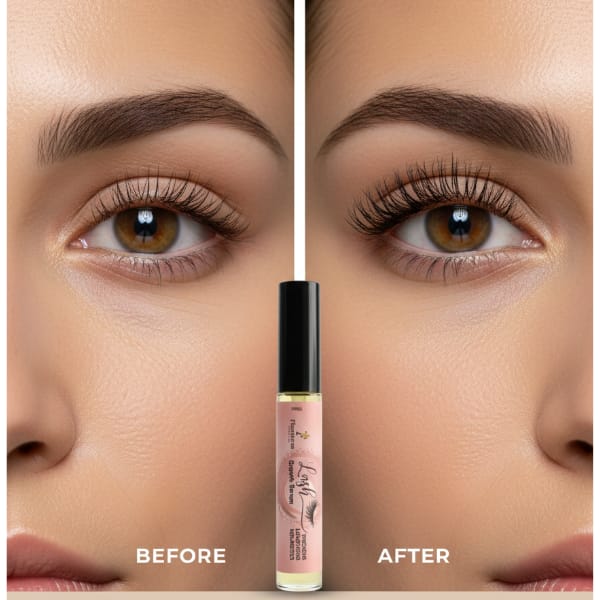
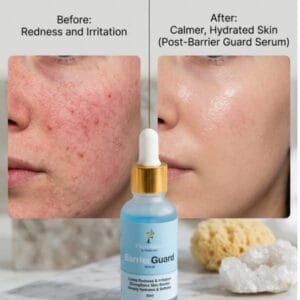
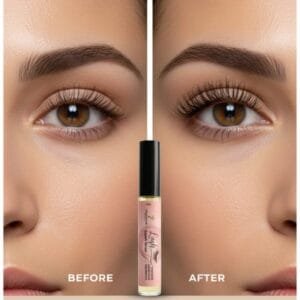
If you’re interested in a complete sun protection routine, consider adding a barrier repair serum like the Barrier Guard Serum 30ml | Skin Barrier Repair to your morning routine. Sun exposure can weaken your skin barrier, and a serum with ceramides or niacinamide can help strengthen it. Apply it before your sunscreen for added protection. For those struggling with sun-damaged lashes, you might also like the Eyelashes Growth Serum – Longer, Healthier-Looking Lashes to support lash health after sun exposure.
Finally, remember that sunscreen is just one part of sun safety. Seek shade during peak hours, wear a wide-brimmed hat and sunglasses, and consider protective clothing. If you’re curious about other anti-aging tips, check out our guide on preventing premature skin aging in your 20s. And for more skincare advice, browse our Skin Care category or read more on our blog.
Frequently Asked Questions
Can I use a sunscreen stick on my eyelids?
Yes, a sunscreen stick is generally safe for eyelids because it's less likely to run into your eyes compared to a lotion. Just close your eyes and gently swipe, then pat with your finger to blend. Avoid getting it too close to your lash line.
How often should I reapply sunscreen when using a stick?
You should reapply sunscreen every two hours, or immediately after swimming, sweating, or towel-drying. Sticks make this easy, so set a reminder if needed.
Which is better for acne-prone skin: stick or lotion?
A stick is often better for acne-prone skin because it's less likely to clog pores and can provide a matte finish. Look for non-comedogenic formulas and avoid heavy, greasy lotions.
Do sunscreen sticks provide as much protection as lotions?
Yes, sunscreen sticks can provide the same level of protection if you apply enough. The key is to use two full passes over each area to achieve the labeled SPF. Many people under-apply with sticks, so be generous.
Written by Flambeau by Mishal Zain — sharing practical, affordable beauty and skincare tips.
Updated: August 2026