Learn how to pick a serum that hydrates oily, dehydrated skin without clogging pores. Discover key ingredients, routines, and mistakes—plus product picks...
For oily yet dehydrated skin, the key is choosing a water-based, lightweight serum with humectants like hyaluronic acid, glycerin, and niacinamide—avoid heavy oils and thick creams. These ingredients draw moisture into the skin without adding grease, helping to balance oil production and improve skin texture. Look for non-comedogenic formulas and always patch test before full use.
Understanding Oily, Dehydrated Skin
Oily, dehydrated skin is a common yet confusing condition where the skin produces excess sebum but lacks sufficient water. This often leads to a shiny T-zone, enlarged pores, and a tight or flaky feeling—especially after cleansing. The root cause is often a damaged skin barrier, which loses moisture faster than it can hold it. When the barrier is compromised, the skin tries to compensate by producing more oil, creating a vicious cycle of dehydration and oiliness.
Many people with this skin type mistakenly think they should skip moisturizer, but that worsens the problem. Without proper hydration, the skin becomes even more dehydrated, triggering more oil production. The goal is to restore water balance without clogging pores. Serums are ideal because they deliver concentrated active ingredients in a lightweight vehicle. Unlike heavy creams, a well-chosen serum can penetrate quickly, providing hydration without leaving a greasy residue.
To understand your skin, do a simple test: after washing your face, wait 30 minutes without applying anything. If your skin feels tight but looks shiny by the end of the day, you likely have oily, dehydrated skin. This combination requires a tailored approach—one that addresses both oil control and moisture retention simultaneously. Understanding this balance is the first step to choosing the right serum.
It’s also important to recognize that environmental factors, such as Pakistan’s hot and humid climate, can exacerbate both oiliness and dehydration. Air conditioning and intense sun exposure can sap moisture from the skin, while humidity stimulates oil glands. So your serum choice should be adaptable to these conditions—light enough for summer, yet hydrating enough to combat indoor dryness.
Finally, your skin’s needs can change with seasons, age, and lifestyle. Stress, diet, and even the products you use can influence oil and hydration levels. Regularly assess your skin and adjust your serum accordingly. A product that works in winter might be too heavy in summer. Keeping a skincare journal can help you track what works and what doesn’t.
Key Ingredients to Look For and Avoid
When scanning ingredient lists, prioritize humectants like hyaluronic acid, glycerin, and panthenol. These attract water from the environment and deeper skin layers, plumping the skin without clogging pores. Niacinamide is a multitasker—it boosts hydration, regulates oil, and calms redness. Hyaluronic acid is a superstar for dehydrated skin; it can hold up to 1000 times its weight in water, making it a must-have in your serum.
Another beneficial ingredient is sodium PCA, a natural moisturizing factor that helps the skin retain water. Beta-glucan is also excellent for soothing and hydrating sensitive, oily skin. Look for serums that list water or aloe vera as the first ingredient, indicating a lightweight, watery base. Salicylic acid can be a good addition if you also struggle with blackheads or breakouts, as it gently exfoliates inside pores while helping to control oil.
On the flip side, avoid heavy occlusives like petrolatum, mineral oil, and lanolin, which can trap oil and cause breakouts. Also steer clear of comedogenic oils such as coconut oil, palm oil, and wheat germ oil—these can clog pores and worsen acne. While some oils like jojoba are lighter, it’s safer to choose a water-based serum for this skin type. Fragrance and alcohol can be irritating, so look for unscented, alcohol-free formulas.
Be cautious with silicones like dimethicone. While they give a smooth feel, heavy silicone layers can trap debris and oil, leading to congestion. If you use a silicone-based serum, ensure it’s water-soluble and won’t build up. Also, avoid serums with high concentrations of oils, even if they’re labeled “non-comedogenic”—test them on a small area first.
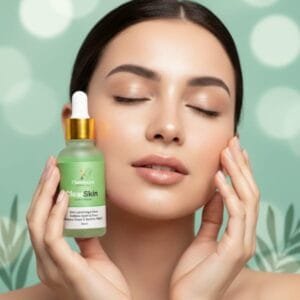
In Pakistan’s humid climate, a serum with hyaluronic acid is particularly effective because it can pull moisture from the humid air. However, in low humidity, hyaluronic acid might draw water from deeper skin layers, so pair it with a light moisturizer to seal it in. The Clear Skin Acne Control Serum – Reduce Spots & Scars contains ingredients that help balance oil and reduce blemishes, making it a good option for oily, dehydrated skin with acne concerns.
Finally, remember that more is not always better. A serum with a few well-chosen ingredients is often more effective than one with a long list of actives. Overloading your skin with multiple acids or retinoids can cause irritation, which further disrupts the barrier. Start with a simple formula and introduce new products gradually.
How to Choose a Serum: Step-by-Step
Start by identifying your primary concern: is it dehydration, oiliness, or both? If both, look for a serum that addresses hydration and oil control together. Always read the ingredient list—aim for serums where water or aloe is the first ingredient. Check for non-comedogenic labels, but know that this isn’t a guarantee; look for specific non-pore-clogging ingredients.
Next, consider the texture. For oily skin, a gel or water-based serum is ideal. It should feel light and absorb quickly, leaving no sticky or greasy residue. If you’re prone to acne, avoid serums with a thick, creamy base. The Clear Skin Acne Control Serum is a lightweight option that targets acne while hydrating, thanks to its carefully selected actives.
Before purchasing, patch test on a small area like your jawline for 24-48 hours. This helps you avoid a full-face reaction. When you first use the serum, apply it to clean, slightly damp skin—this enhances absorption. Start with a small amount (2-3 drops) and gradually increase if needed. Monitor your skin for a week; if you notice increased oiliness or breakouts, the serum may be too heavy or irritating.
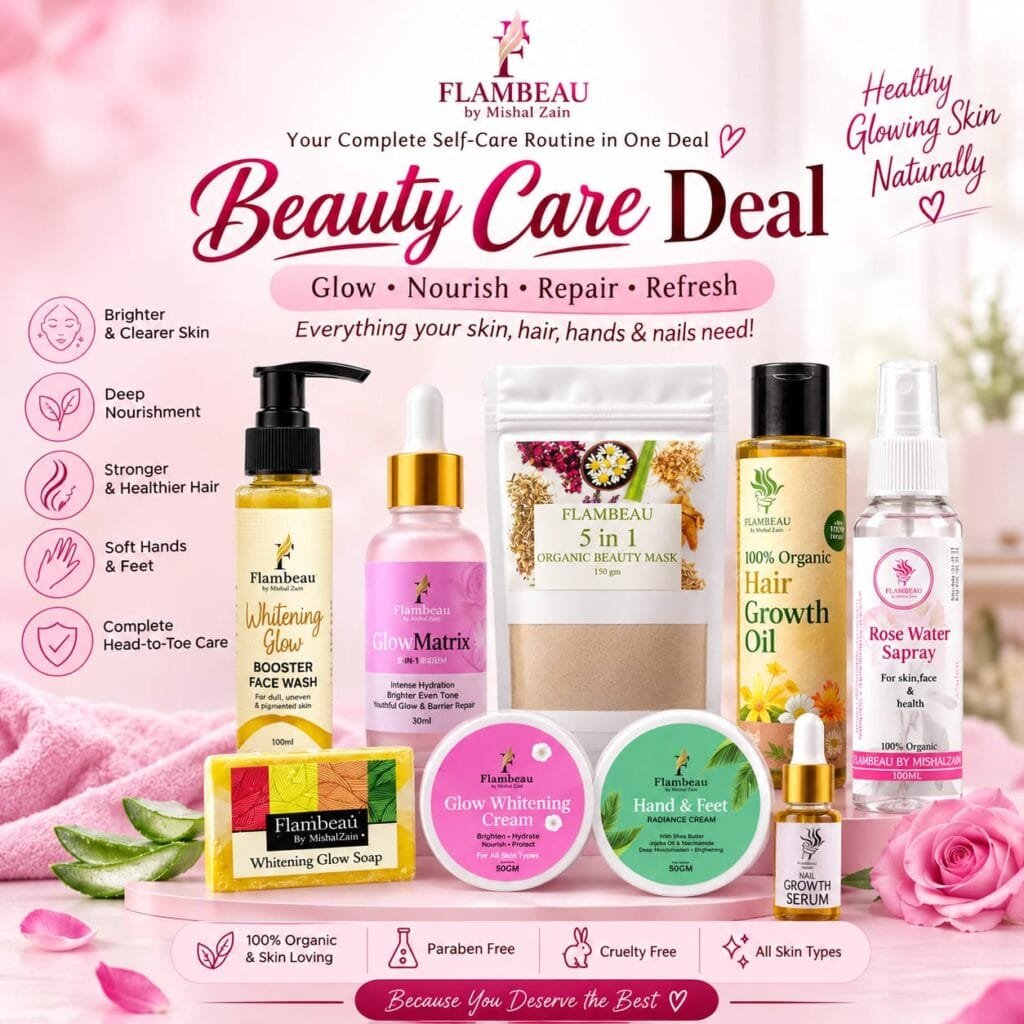
Also, consider your skin’s sensitivity. If you have sensitive skin, choose a serum with minimal ingredients, no fragrance, and soothing additions like aloe or allantoin. The Beauty Care Deal offers a set that includes a gentle cleanser and moisturizer, which can complement your serum routine. Always introduce one new product at a time to pinpoint what works.

Remember that a serum is not a standalone solution. It works best when layered correctly: cleanse, tone (if you use one), apply serum, then lock in with a lightweight moisturizer. In humid weather, you might skip moisturizer, but in air-conditioned rooms, a light gel moisturizer helps trap the serum’s hydration. Consistency is key—use your serum daily, preferably twice a day, for at least four weeks to see visible improvements.
If you’re unsure where to start, explore the serums category on our website, which features options designed for various concerns. You can also read more tips in our blog to educate yourself before making a purchase.
Routine Tips for Oily, Dehydrated Skin
Your serum will only work if the rest of your routine supports it. Start with a gentle, sulfate-free cleanser that doesn’t strip your skin. Harsh cleansers remove natural oils, triggering more oil production and worsening dehydration. Look for a foaming or gel cleanser with ingredients like aloe or green tea. Avoid scrubbing your face—use lukewarm water and pat dry with a soft towel.
After cleansing, apply your serum to damp skin. This helps humectants like hyaluronic acid absorb better. Wait a minute for it to sink in, then apply a lightweight moisturizer. Even if your skin is oily, a moisturizer is essential to seal in hydration. Choose a gel-based or oil-free moisturizer with ceramides to support your skin barrier. This step is crucial in air-conditioned environments where moisture evaporates quickly.
Exfoliate 1-2 times a week with a gentle chemical exfoliant like salicylic acid or lactic acid. This removes dead skin cells that can make your skin look dull and prevent serums from absorbing. Avoid physical scrubs, which can cause micro-tears and irritation. If you use a leave-on exfoliant, apply it after cleansing and before your serum, but don’t overdo it—too much exfoliation can damage your barrier.
In Pakistan’s hot climate, you might be tempted to skip moisturizer, but that’s a mistake. Instead, opt for a water-based gel moisturizer, or even mix a drop of your serum with your moisturizer. On very humid days, you can use a hydrating toner instead of a moisturizer, but always keep your barrier in mind. Never skip sunscreen—UV exposure worsens dehydration and can lead to premature aging. Use a lightweight, oil-free sunscreen with SPF 30 or higher.
Also, pay attention to your diet and lifestyle. Drink plenty of water throughout the day to hydrate from within. Eat foods rich in omega-3 fatty acids, like fish and walnuts, to support skin health. Avoid excessive sugary and fried foods, which can trigger inflammation and oiliness. Manage stress through exercise or meditation—stress hormones can increase oil production.
Finally, be patient. Skin renewal takes time, and you won’t see overnight miracles. Give your serum at least four weeks to show its benefits. If you have persistent issues, consider consulting a dermatologist. For more insights, check out our posts on reviving dry hair ends or herbal remedies for chapped lips—they’re part of our holistic approach to beauty.
Common Mistakes to Avoid
One of the biggest mistakes is using a serum that is too heavy or oil-based, thinking it will hydrate better. This clogs pores and increases oiliness. Another mistake is over-washing your face—washing more than twice a day strips your skin’s natural moisture, causing dehydration and rebound oiliness. Stick to morning and evening cleansing.
Avoid layering too many active ingredients. Combining strong acids like salicylic acid with retinoids can irritate your skin. Instead, alternate them or use them on different days. Also, don’t skip moisturizer after serum—without it, the serum’s hydration can evaporate, leaving your skin drier. Even if you’re oily, a light moisturizer is necessary.
Many people also use too much product. A few drops of serum are enough; over-applying can suffocate your skin and create a sticky film. Similarly, applying serum to dry skin is less effective—always apply to slightly damp skin. Another error is introducing multiple new products at once, making it hard to pinpoint what’s causing breakouts or irritation. Introduce one product at a time.
Ignoring the role of pH can also be a mistake. Your skin’s natural pH is slightly acidic (around 4.5-5.5). Using products with high pH can disturb your barrier. Most serums are formulated to be pH-compatible, but check labels if you have sensitive skin. Also, don’t forget to check the expiration date—using expired serums can cause irritation or infections.
Finally, don’t expect a serum to solve all your problems overnight. Consistency is key. If you stop using it after a week, you won’t see results. And if you have severe dehydration or acne, a serum alone may not suffice—consult a dermatologist. For a complete skincare regimen, consider the Beauty Care Deal, which includes a cleanser, toner, and moisturizer to complement your serum.
Tailoring Serum Choice to Skin Subtypes
Oily, dehydrated skin isn’t one-size-fits-all. If you have oily but not acne-prone skin, you can use a simple hyaluronic acid serum with glycerin. For oily and acne-prone skin, look for a serum with niacinamide and salicylic acid to help unclog pores and reduce inflammation. The Clear Skin Acne Control Serum is formulated for this subtype, targeting breakouts while hydrating.
If your skin is sensitive and oily, choose a serum with minimal ingredients—no fragrance, alcohol, or essential oils. Ingredients like aloe vera, allantoin, and beta-glucan are soothing. Avoid acids if they cause irritation. For combination skin, where your T-zone is oily and cheeks are dry, you might need a serum with a slightly richer texture but still water-based, such as one with hyaluronic acid plus ceramides. You can apply more on dry areas and less on oily areas.
For mature, oily, dehydrated skin, consider a serum with peptides or antioxidants like vitamin C (in a water-based form) to address fine lines without greasiness. Skin with visible pores benefits from niacinamide, which helps refine the appearance of pores over time. For skin that’s prone to blackheads, a serum with BHA (salicylic acid) is ideal, as it penetrates pores and dissolves oil plugs.
In Pakistan’s varying climate, you might find that your skin is oilier in summer and more dehydrated in winter. Adjust your serum accordingly—use a lighter gel serum in summer and a slightly richer water-based serum in winter. Also, consider the humidity level in your city; in humid Karachi, a simple glycerin-based serum works well, while in dry Lahore, you might need extra hyaluronic acid.
If you’re on a budget, you can still find effective serums. Look for affordable options that contain key humectants without added extras. Our Beauty Care Deal offers a cost-effective way to build a basic routine. Remember, you don’t need a $50 serum—a well-formulated drugstore option can work just as well.
Final Thoughts on Serum Selection
Choosing the right serum for oily, dehydrated skin is about balance—hydration without heaviness, oil control without stripping. By focusing on humectants and lightweight formulas, you can achieve healthier-looking skin. Always patch test, introduce new products gradually, and maintain a consistent routine. For more guidance, explore our blog for additional skincare tips. Remember, your skin is unique, so what works for others may not work for you—listen to your skin and adjust accordingly.
Frequently Asked Questions
Can I use a facial oil if my skin is oily and dehydrated?
It's best to avoid heavy oils, but some lightweight oils like squalane or jojoba can be used in small amounts. However, a water-based serum is safer to prevent clogged pores.
How often should I use a hydrating serum for oily, dehydrated skin?
You can use it twice daily—morning and night—after cleansing and before moisturizer. Consistency is key for best results.
Will a hydrating serum make my skin more oily?
No, if you choose a non-comedogenic, water-based serum, it won't add oil. It will actually help regulate oil production by hydrating the skin.
Written by Flambeau by Mishal Zain — sharing practical, affordable beauty and skincare tips.
Updated: August 2026