Discover natural, effective ways to keep lips soft and prevent chapping with simple ingredients, daily habits, and product choices suited for Pakistan's...
To keep lips soft and prevent chapping naturally, focus on consistent hydration, gentle exfoliation, and protective barriers using ingredients like honey, coconut oil, and shea butter. Avoid licking lips, stay hydrated, and use a humidifier in dry climates. For persistent dryness, choose balms with ceramides or petrolatum, and always protect lips from sun and wind. Incorporate a nightly moisturizing routine and a weekly sugar scrub for smooth, healthy lips.
Why Lips Chap Easily and What They Really Need
Your lips are uniquely vulnerable compared to the rest of your skin. The skin on your lips is only about three to five cell layers thick, while the skin on the rest of your face has around sixteen layers. This thinness means that moisture evaporates from lips much faster, and they lack the protective lipid barrier that keeps water locked in other areas. Additionally, lips have no oil glands, so they cannot produce their own moisture or protective sebum. This is why they dry out so quickly, especially in extreme weather conditions.
In Pakistan, the climate plays a significant role. From the hot, dry summers of Punjab to the cold, windy winters of the northern areas, your lips are constantly exposed to harsh elements. In summer, air conditioning and sun exposure strip moisture; in winter, low humidity and indoor heating dry them further. Even the dust and pollution in cities like Karachi or Lahore can irritate delicate lip skin. Understanding this vulnerability is the first step to building a routine that protects rather than reacts.
What your lips truly need is a combination of hydration (water), nourishment (oils and butters), and protection (a barrier against external aggressors). Hydration comes from drinking enough water and using humectants like honey or glycerin, which draw moisture into the skin. Nourishment comes from emollients like coconut oil, shea butter, or almond oil, which soften and smooth the lip surface. Protection is provided by occlusives like beeswax, petrolatum, or lanolin, which form a physical shield to prevent water loss.
Many people make the mistake of thinking that a single product can do all three jobs, but in reality, a layered approach works best. For example, applying a water-based hydrating serum (like a few drops of rose water) followed by a rich oil-based balm can be far more effective than a single waxy stick. This is similar to how you layer moisturizer and sunscreen on your face. Your lips deserve the same thoughtful care.
Another key need is gentle exfoliation. Dead skin cells accumulate on the lips, making them look dull and feel rough. However, over-exfoliating can damage the delicate skin, so a weekly sugar scrub is ideal. The goal is to remove only the loose, flaky skin, not to scrub until the lips feel raw. Always follow exfoliation with a deeply moisturizing balm to lock in the fresh, new skin.
Finally, do not forget sun protection. The sun’s UV rays can cause lip dryness, darkening, and even long-term damage. Many lip balms now contain SPF, but if yours doesn’t, apply a sunscreen specifically designed for lips or a zinc oxide-based ointment. In Pakistan’s sunny climate, this is especially important during outdoor activities, even in winter when UV rays can still be strong.
Natural Ingredients That Actually Work for Soft Lips
Nature offers a bounty of ingredients that can transform your lips without harsh chemicals. Honey is a humectant, meaning it attracts water to the skin. It also has antibacterial properties, which can help heal cracked lips and prevent infection. You can apply a thin layer of raw honey directly to your lips and leave it for 15 minutes before rinsing, or you can mix it with sugar for a quick exfoliating scrub. For best results, use raw, unprocessed honey, which retains more of its beneficial enzymes.
Coconut oil is a staple in Pakistani households, and for good reason. It is rich in fatty acids like lauric acid, which deeply penetrate the skin and provide long-lasting moisture. It also has antimicrobial properties that protect against bacteria. Apply virgin coconut oil to your lips several times a day, especially after eating or drinking. For an overnight treatment, massage a generous amount onto your lips and leave it on while you sleep. The oil absorbs well and does not leave a greasy residue if you use a small amount.
Shea butter is another excellent emollient, packed with vitamins A and E, which promote skin repair. It is thicker than coconut oil, making it ideal for a protective barrier in harsh weather. You can use pure shea butter as a balm or look for lip products that list it as a primary ingredient. It is especially effective for very dry, chapped lips because it not only moisturizes but also helps restore the lipid barrier.
Aloe vera is known for its soothing and healing properties. If your lips are already chapped and painful, apply fresh aloe vera gel from the plant to reduce inflammation and speed up healing. It is hydrating and calming, but because it is mostly water, follow it with an occlusive like beeswax or petroleum jelly to seal in the moisture. Aloe vera is also great for sunburned lips, as it provides a cooling sensation.
Cucumber slices are a classic spa treatment, and they work on lips too. Cucumber has a high water content and contains silica, which helps hydrate and soften. Place a chilled cucumber slice on your lips for 10 minutes to refresh and moisturize. While this is not a long-term solution, it is a wonderful weekly treat that feels luxurious and adds a boost of hydration.
For a simple, effective homemade balm, combine equal parts coconut oil, beeswax, and shea butter. Melt them together in a double boiler, add a few drops of vitamin E oil for extra nourishment, and pour into a small container. This balm is free from preservatives and artificial fragrances, making it perfect for sensitive lips. Keep it in a cool place, and use it as often as needed. It also makes a thoughtful gift for friends and family.
Daily Habits to Prevent Chapped Lips (Step-by-Step)
Building a daily lip care routine is easier than you think. Start your morning by gently wiping your lips with a damp cloth to remove any dead skin from the night. Then, apply a moisturizing lip balm that contains SPF 30 or higher, even if you are indoors. This is your base layer of protection against the day’s sun and environmental stressors. Reapply every two hours, especially if you are outdoors, eating, or talking a lot.
Throughout the day, make a conscious effort to stay hydrated. Drink at least eight glasses of water daily, and increase your intake if you are in an air-conditioned room or in a dry climate. Dehydration is one of the leading causes of chronically chapped lips. Keep a water bottle at your desk, and sip regularly. Herbal teas also count, but be mindful of caffeine, which can be dehydrating.
One of the most important habits is to never lick your lips. Saliva evaporates quickly, taking your lips’ natural moisture with it, and it contains enzymes that can further irritate the skin. Instead, when you feel the urge to lick, apply a balm. Similarly, avoid biting or picking at flaky skin, as this can cause bleeding and infection. If you have a habit of biting, try to replace it with applying a lip balm.
Exfoliate your lips once a week with a gentle sugar scrub. Mix a teaspoon of brown sugar with a few drops of olive oil or honey. Massage the mixture onto your lips in circular motions for a minute, then rinse with warm water. Follow immediately with a rich balm. This removes dead cells and boosts circulation, giving your lips a natural pink flush. Do not overdo it; more than once a week can damage the thin skin.
At night, your lips undergo repair while you sleep. Apply a thicker, more occlusive balm before bed, such as pure petroleum jelly, lanolin, or a night mask specifically designed for lips. This helps lock in moisture and allows your lips to heal overnight. For an intensive treatment, apply a layer of honey or a slice of cucumber before your balm. You can also use a humidifier in your bedroom to add moisture to the air, which is especially helpful in winter.
Finally, protect your lips from extreme weather. In winter, cover your mouth with a scarf to shield from cold winds. In summer, stay in the shade when possible and reapply SPF balm frequently. If you are at high altitude, such as in the northern areas of Pakistan, be extra diligent because UV rays are stronger. Your lips are exposed to the same elements as your face, so treat them with the same level of care.
Common Mistakes That Worsen Chapped Lips
Even with the best intentions, many people inadvertently do things that make their lips worse. The most common mistake is licking your lips to moisten them. While it feels soothing for a second, the saliva quickly evaporates, leaving your lips drier than before. The enzymes in saliva that help digest food can also break down the delicate lip skin, leading to irritation and inflammation. Instead, always reach for a balm.
Another frequent error is over-exfoliating. Scrubbing your lips every day or using harsh exfoliants can strip away the thin protective layer, causing redness, soreness, and even micro-tears. Your lips need time to regenerate, so once a week is plenty. If your lips are already chapped, skip exfoliation entirely and focus on moisture and healing.
Using flavored, scented, or tinted lip balms can also be problematic. Ingredients like menthol, camphor, or artificial fragrances can irritate sensitive skin, and some people develop a dependency on the cooling sensation, leading to more frequent application. Similarly, matte lipsticks and long-wear formulas can be very drying because they often contain alcohol or powders that absorb moisture. If you love matte lips, apply a hydrating balm underneath and avoid wearing them daily.
Neglecting sun protection is another mistake, especially in Pakistan where the sun is intense. UV rays damage the lips just like the rest of your skin, leading to dryness, darkening, and premature aging. Always choose a balm with SPF, and reapply every two hours when outdoors. Even on cloudy days, up to 80% of UV rays can penetrate the clouds.
Not drinking enough water is a common yet overlooked cause. Your lips are often the first place to show signs of dehydration. If you are not drinking at least 8 glasses a day, your lips will feel parched no matter how much balm you apply. Make hydration a priority, and you will see a noticeable difference.
Finally, some people avoid using petroleum jelly or mineral oil because they think these ingredients are harmful. However, these occlusives are highly effective at sealing in moisture and are safe for most people. If you prefer natural options, look for plant-based waxes like candelilla or carnauba, but do not be afraid to use a classic product like Vaseline for stubborn chapping. The key is to find what works for your skin.
How to Choose the Right Lip Care Products
With countless lip balms and treatments on the market, it can be overwhelming to pick the right one. The first rule is to read the ingredient list. Look for natural oils and butters like coconut oil, shea butter, cocoa butter, or almond oil as the base. These provide nourishment and moisture. Avoid products with alcohol, phenol, or menthol, which can dry out lips. Also, be cautious of artificial fragrances and dyes, which may cause allergic reactions.
For daily use, choose a balm that contains a humectant like glycerin or honey, followed by an emollient like jojoba oil or lanolin. This combination will draw moisture in and then seal it. If you are outdoors often, select a balm with SPF 30 or higher. Many brands offer SPF in a non-greasy formula, making it easy to wear under lipstick.
If you have severely chapped, cracked lips, consider a treatment product that contains ceramides or petrolatum. Ceramides help repair the skin barrier, while petrolatum provides a thick protective layer. You can also use a lip mask or overnight treatment that contains hyaluronic acid or vitamin E. These are intensive therapies that hydrate deeply while you sleep.
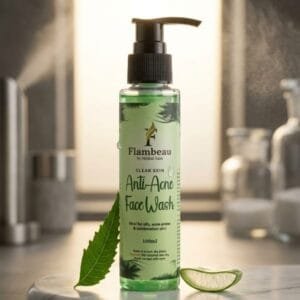
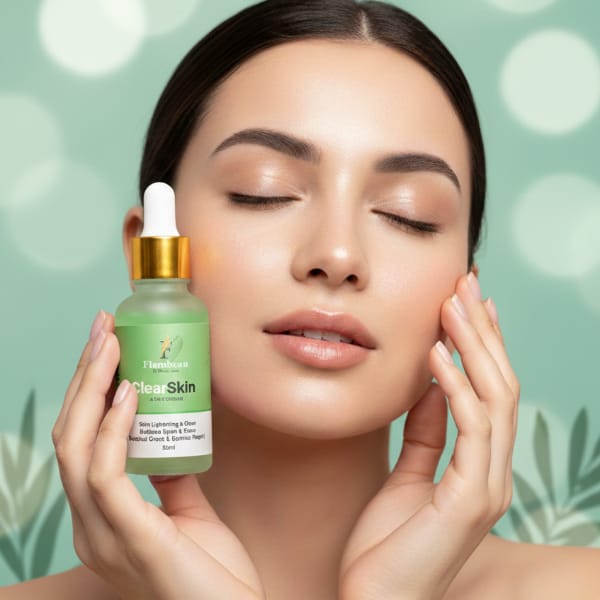
Pakistani consumers have access to both international and local brands. For a budget-friendly option, you can make your own balm at home using ingredients from your kitchen. However, if you prefer store-bought, look for reputable brands that are transparent about their ingredients. Flambeau by Mishal Zain offers a range of skincare products that focus on natural, effective ingredients. For example, their Clear Skin Acne Control Serum – Reduce Spots & Scars is formulated with active botanicals, showing their commitment to quality. While it is not a lip product, it reflects the brand’s philosophy of using skin-loving ingredients.
When trying a new lip product, always patch test first. Apply a small amount to your inner arm or behind your ear and wait 24 hours to check for any reaction. This is especially important if you have sensitive skin or allergies. Once you find a product that works, stick with it, and use it consistently. Lip care is a long-term commitment, not a one-time fix.
Also, consider the texture and packaging. A balm in a jar might be more moisturizing but less convenient to apply on the go. A stick is handy but can contain more wax and less oil. Choose what fits your lifestyle. If you are always out, a stick with SPF is practical. For home use, a jar of shea butter or a tube of overnight mask is ideal.
Lips Care for Different Skin Types and Climates in Pakistan
Just as your facial skin varies, so do your lips. Some people have naturally dry lips, while others have oily skin but still get chapped lips. Understanding your lip type helps you choose the right ingredients. For dry lips, rich butters like shea butter and cocoa butter are essential. For sensitive lips, avoid fragrance and essential oils; use simple formulas with few ingredients. For lips prone to darkening, ingredients like lemon (in moderation) or licorice extract can help brighten, but always use with a sunscreen.
In Pakistan, the climate varies greatly. In the coastal areas like Karachi, humidity is high, so lips may not dry out as quickly, but air conditioning can still dehydrate. A light balm with SPF is sufficient. In the desert regions like Bahawalpur or interior Sindh, the air is very dry and dusty. Use a thick, occlusive balm to protect against moisture loss. In the northern mountains like Murree or Gilgit, cold winds and low humidity demand a heavy-duty barrier. A lip mask or petroleum jelly is your best friend.
Seasonal changes also matter. In summer, humidity might make lips feel sticky, so choose a gel-based balm with aloe vera. In winter, switch to a creamier, oil-based product. During the monsoon, fungal infections can occur if lips stay wet, so keep them dry and use a breathable balm. By adapting your lip care to your environment, you can prevent problems before they start.
For those who wear makeup, it is essential to prep your lips before applying lipstick. Exfoliate gently, then apply a hydrating balm and let it sit for five minutes. Blot off excess, then apply your lipstick. This prevents the lipstick from clinging to dry patches. At night, always remove lipstick thoroughly with a gentle cleanser and apply a nourishing balm. Leaving makeup on overnight can cause dryness and darkening.
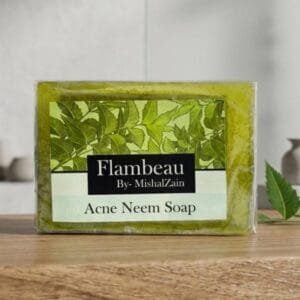
If you have acne-prone skin, you might be using salicylic acid or benzoyl peroxide treatments. These can accidentally transfer to your lips and cause dryness. Be cautious when applying acne products, and use a barrier like a lip balm before applying them. Flambeau’s Acne Neem Soap is a gentle cleanser that helps control oil, but it should not be used on lips. Keeping your lip care separate from your acne care is crucial.
Finally, do not forget that your lips are part of your overall skin health. A balanced diet rich in vitamins B and C, iron, and omega-3 fatty acids supports healthy lips. Deficiencies, especially in iron or B vitamins, can cause chronic chapping. If your lips are persistently dry despite good care, consult a dermatologist, as it could be a sign of an underlying condition like cheilitis or an allergy. Your lips are a window to your health, so treat them with love.
Frequently Asked Questions
What is the fastest way to heal severely chapped lips?
Apply a thick occlusive like petroleum jelly or lanolin several times a day, and use a humidifier at night. Avoid licking lips and stay hydrated. For an intensive overnight treatment, layer honey under the occlusive.
Can I use regular body lotion on my lips?
No, body lotions contain ingredients that may be too harsh for lips and are not meant for ingestion. Use a dedicated lip balm or natural oils like coconut oil or shea butter instead.
How often should I exfoliate my lips?
Once a week is ideal for most people. Over-exfoliating can damage the thin skin. If your lips are very chapped, skip exfoliation until they heal.
Are there any natural remedies for darker lips?
Lemon juice mixed with honey can help brighten, but lemon can be irritating and increase sun sensitivity. Always use sunscreen. Regular exfoliation and hydration can also improve lip tone over time.
Written by Flambeau by Mishal Zain — sharing practical, affordable beauty and skincare tips.
Updated: August 2026