Discover how ginger extract boosts scalp circulation and supports healthier-looking hair. Learn how to use it, what to avoid, and how to choose the right...
Ginger extract helps support scalp circulation, which in turn nourishes hair follicles and promotes healthier-looking hair. Its warming properties and antioxidant content encourage blood flow when massaged into the scalp, potentially improving the delivery of oxygen and nutrients to hair roots. While it won’t magically regrow hair overnight, regular use can strengthen strands and create a healthier scalp environment.
How Ginger Extract Works on the Scalp
Ginger, or Zingiber officinale, is a root known for its spicy, warming kick in food and its long-standing place in traditional remedies. When applied to the scalp, ginger’s active compounds—like gingerol and shogaol—create a gentle warming sensation that can stimulate microcirculation. This means tiny blood vessels near the scalp’s surface may dilate, allowing more oxygen and nutrients to reach hair follicles. Better circulation is foundational for hair health because follicles need a steady supply of nutrients to produce strong, resilient strands.
Beyond circulation, ginger is rich in antioxidants, which help neutralize free radicals that can damage hair follicle cells. This protective effect may reduce oxidative stress, a contributor to premature aging and thinning hair. Ginger also has natural antimicrobial properties, which can help balance the scalp’s microbiome and reduce flakiness or itchiness. A calmer, healthier scalp is the perfect environment for hair to thrive.
It is important to understand that ginger extract is not a miracle cure. It supports the scalp’s natural functions rather than forcing hair to grow. For the best results, it should be part of a holistic hair care routine that includes a balanced diet, gentle cleansing, and adequate protein intake. When used consistently, ginger can contribute to visibly healthier, fuller-looking hair over time.
If you are new to ginger extract, start slowly. Some people are sensitive to its warming effect, so it is wise to do a patch test on your inner arm before applying it to your scalp. This helps ensure you do not experience irritation. Also, remember that ginger extract is not a substitute for medical treatments for conditions like alopecia or hormonal hair loss—always consult a dermatologist if you have concerns.
Practical Ways to Incorporate Ginger Extract into Your Hair Care
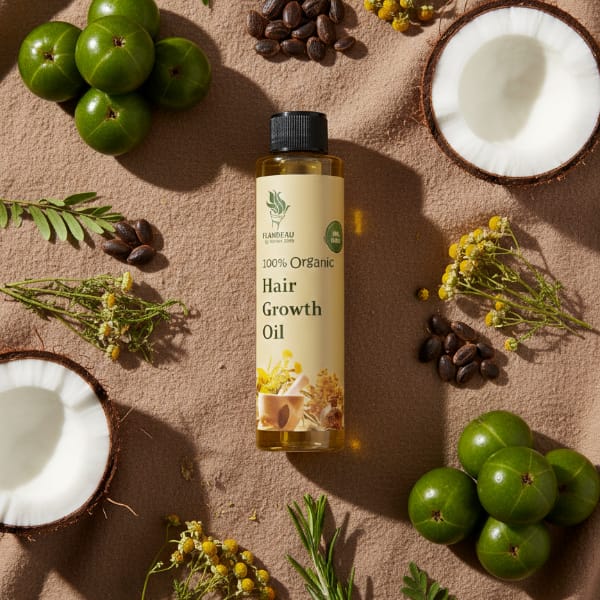
There are several simple ways to bring ginger extract into your regular hair routine. One of the easiest is to look for hair oils or serums that list ginger extract as a key ingredient. For example, Hair Growth Oil – Strengthen & Nourish Hair Naturally often contains a blend of botanical extracts, including ginger, designed to support scalp health. Applying a few drops to your scalp and massaging gently for 5 minutes can boost circulation and help the product absorb.
Another option is to create your own ginger-infused hair rinse. Grate a small piece of fresh ginger, steep it in hot water for 15 minutes, let it cool, and use it as a final rinse after shampooing. This is a budget-friendly alternative, but be mindful that fresh ginger can be drying if used too frequently. Once or twice a week is typically enough. You can also add a few drops of ginger essential oil to your regular carrier oil (like coconut or jojoba) and massage it into your scalp.
Massage technique matters. Use your fingertips (not nails) to apply gentle pressure in circular motions across your entire scalp. This not only helps distribute the product but also physically stimulates blood flow. For an extra boost, you can use a scalp massager tool for a few minutes. The combination of ginger’s circulatory benefits and massage can be particularly effective.
For best results, leave the ginger-infused oil on for at least 30 minutes, or overnight if your scalp tolerates it. Wash it out with a mild shampoo. Consistency is key—aim for two to three treatments per week. Over time, you may notice reduced dryness, less flaking, and hair that feels stronger and looks shinier. Remember to always patch test first, especially if you have sensitive skin.
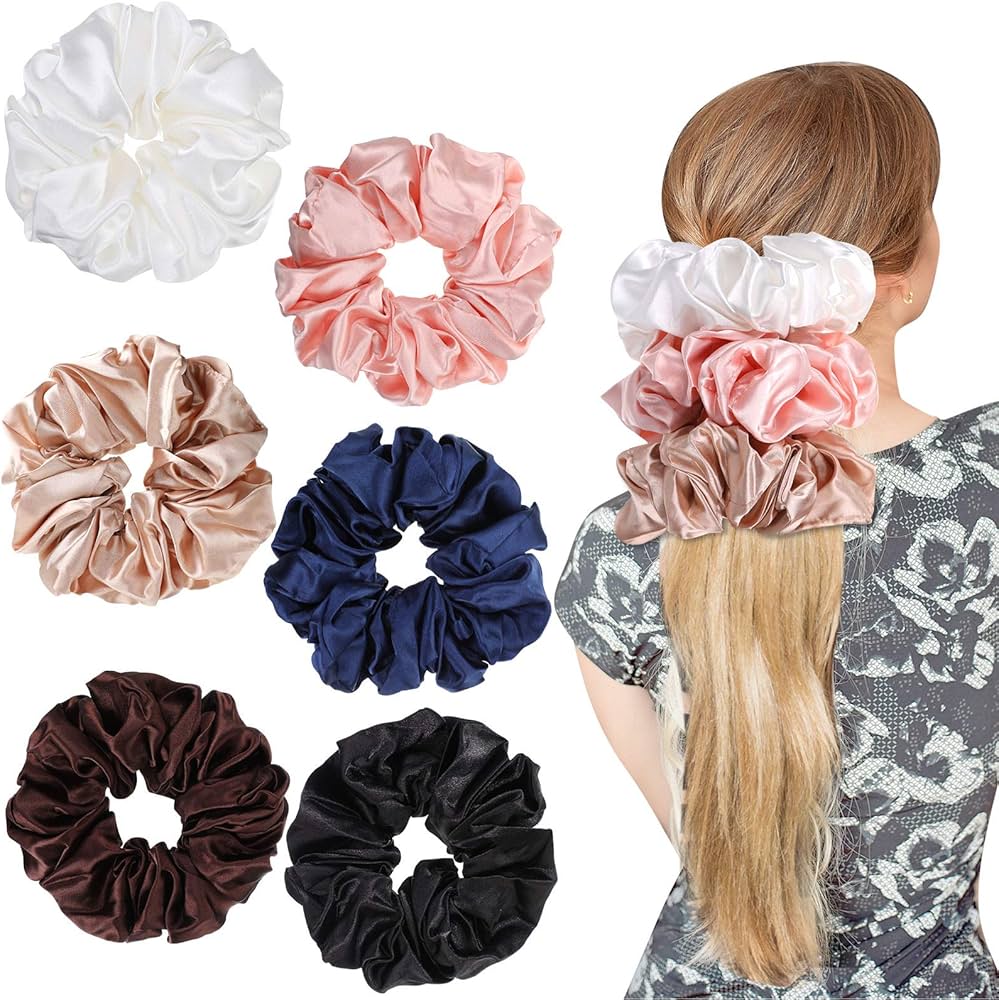
If you prefer a ready-made product, check the ingredient list. Look for ginger extract near the top, indicating a higher concentration. Combining ginger with other circulation-boosting ingredients like peppermint or rosemary can enhance the effect. You can also pair ginger treatment with a gentle hair towel dry and a silk or satin pillowcase to reduce friction and breakage.
Common Mistakes to Avoid When Using Ginger Extract
One of the most common mistakes is using too much ginger or applying it too frequently. Ginger is potent, and overuse can irritate the scalp, leading to redness, itching, or even peeling. Start with a small amount once a week, and gradually increase if your scalp responds well. Always dilute ginger essential oil in a carrier oil—never apply it directly, as it can cause burns.
Another pitfall is expecting instant results. Hair growth and scalp improvement take time—usually several months of consistent use. If you stop after two weeks because you don’t see a change, you’ll miss out. Patience is essential. Also, avoid using ginger extract on broken or sunburned skin, as it can sting and worsen irritation.
Some people make the mistake of leaving ginger treatments on for too long. While an overnight oil treatment can be beneficial, leaving a fresh ginger rinse on for hours can dry out your hair and scalp. Follow the recommended time—usually 20 to 30 minutes for a rinse, or overnight for an oil if your scalp tolerates it—and always rinse thoroughly.
Using ginger extract as a standalone solution is another error. Hair health depends on many factors, including diet, stress levels, and genetics. Ginger can support, but it cannot replace a balanced hair care routine. Make sure you’re also eating enough protein, iron, and vitamins, and avoid harsh chemical treatments that can damage hair.
Finally, don’t ignore signs of an allergic reaction. If you experience severe itching, swelling, or a rash after using ginger, discontinue use immediately. It’s rare, but possible. When in doubt, consult a dermatologist. They can guide you on the best way to incorporate ginger into your routine safely.
What to Look for in Ginger-Infused Hair Products
When shopping for hair products containing ginger extract, the ingredient list is your best guide. Ideally, ginger extract should appear among the first five ingredients, indicating a meaningful concentration. Avoid products where ginger is a token addition at the bottom of the list, as it won’t have much effect. Look for other scalp-friendly ingredients like aloe vera, niacinamide, or tea tree oil that complement ginger’s benefits.
Consider the product’s formulation. Oil-based products are excellent for deep conditioning and massage, while water-based serums can be lighter and less greasy. If you have fine hair, a lightweight serum might be better. For dry or thick hair, a richer oil can provide extra moisture. Also, check for added fragrances and dyes—these can be irritating, especially for sensitive scalps. Opt for fragrance-free or naturally scented options.
Packaging matters too. Ginger extract can degrade when exposed to light and air, so choose products in dark glass bottles or opaque packaging. This preserves the potency of the extract. Also, check the expiration date—natural extracts lose efficacy over time. A fresh product will have a more robust ginger aroma and color.
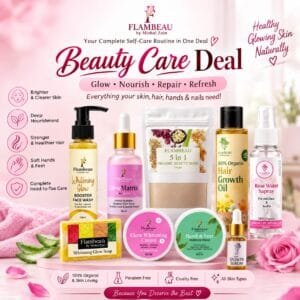
Price is a consideration, but not the only one. A higher price doesn’t always guarantee better quality. Look for brands that are transparent about their sourcing and manufacturing. Flambeau by Mishal Zain, for instance, offers a range of hair care products that incorporate ginger and other botanicals. You can explore their hair care category to find options that suit your needs.
Finally, read reviews from other users with similar hair types. Real-world experiences can give you insights into how a product performs. Just remember that individual results vary. What works for one person may not work for you, so be prepared to experiment a little. Always do a patch test before committing to a full application.
Adapting Ginger Hair Care for Different Hair Types
Ginger extract can benefit all hair types, but the way you use it may need adjustment. For oily scalps, ginger can help regulate sebum production, but you might want to use it less frequently—perhaps once a week—and focus on the scalp rather than the lengths. A lightweight ginger serum or a diluted rinse can prevent excess oil buildup.
If you have a dry or flaky scalp, ginger’s warming effect can boost circulation and help alleviate dryness. Combine it with moisturizing ingredients like argan oil or shea butter. An overnight oil treatment once a week can be very nourishing. Just make sure to wash it out thoroughly to avoid clogging pores.
For curly or coily hair, ginger can help strengthen strands, but the hair itself may need extra moisture. Use ginger-infused oils before shampooing (pre-poo) to protect the hair’s natural oils. Follow with a rich conditioner. Avoid applying ginger directly to the hair shaft, as it can be drying—focus on the scalp.
Those with fine or thin hair should be cautious with heavy oils. Opt for a ginger scalp spray or a lightweight serum that won’t weigh hair down. Apply only to the roots and massage gently. You can also add a few drops of ginger essential oil to your shampoo for a quick boost.
If you have sensitive skin, start with a very diluted ginger rinse or a product formulated for sensitive scalps. Do a patch test and wait 24 hours to check for any reaction. If all goes well, use it sparingly and monitor your scalp’s response. Adjust the frequency based on how your skin feels.
Frequently Asked Questions
Can ginger extract regrow hair? Ginger extract can support hair health by improving circulation and providing antioxidants, but it cannot regrow hair from completely dormant follicles. It may help strengthen existing hair and create a healthier scalp environment.
How often should I use ginger on my scalp? Start with once a week, gradually increasing to two or three times a week if your scalp tolerates it. Overuse can cause irritation.
Can I leave ginger oil on my hair overnight? Yes, if your scalp is not sensitive. Do a patch test first, and wash it out thoroughly in the morning. If you experience any itching, reduce the time to 30 minutes.
Frequently Asked Questions
Can ginger extract regrow hair?
Ginger extract can support hair health by improving circulation and providing antioxidants, but it cannot regrow hair from completely dormant follicles. It may help strengthen existing hair and create a healthier scalp environment.
How often should I use ginger on my scalp?
Start with once a week, gradually increasing to two or three times a week if your scalp tolerates it. Overuse can cause irritation.
Can I leave ginger oil on my hair overnight?
Yes, if your scalp is not sensitive. Do a patch test first, and wash it out thoroughly in the morning. If you experience any itching, reduce the time to 30 minutes.
Written by Flambeau by Mishal Zain — sharing practical, affordable beauty and skincare tips.
Updated: August 2026